
. .
Manitoba CLL Co-Chairs
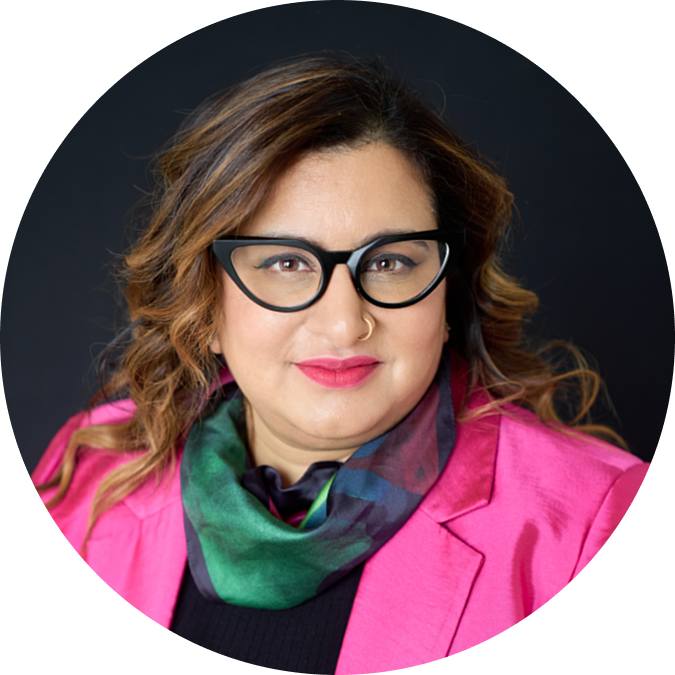
Versha Banerji, MD, FRCPC
Associate Professor
University of Manitoba
Winnipeg, MB
Dr. Versha Banerji MD FRCPC obtained her MD and residency training in Internal Medicine and Hematology at the University of Manitoba. She then completed a post-doctoral fellowship in translational research at the Harvard Cancer Centre/ Dana-Farber Cancer Institute and Broad Institute of MIT. She is a Senior Scientist at the Paul Albrechtsen CancerCare Manitoba Research Institute, Associate Professor at the University of Manitoba, and a Clinician-Scientist at CancerCare Manitoba. She is the inaugural Director of The Chronic Lymphocytic Leukemia, Clinical Care, Education and Translational Research Unit at the University of Manitoba and CCMB and leads clinical trials and population-based treatment studies locally. She manages a multi-disciplinary research team in clinical, fundamental and translational research. Her own laboratory is evaluating novel therapeutics and the impact on mitochondrial function and metabolism. She is also an inaugural awardee of the University of Manitoba Ignite Grant securing over 2.8 Million dollars in funding from University, philanthropic, government and industry partners over the next 3 years.
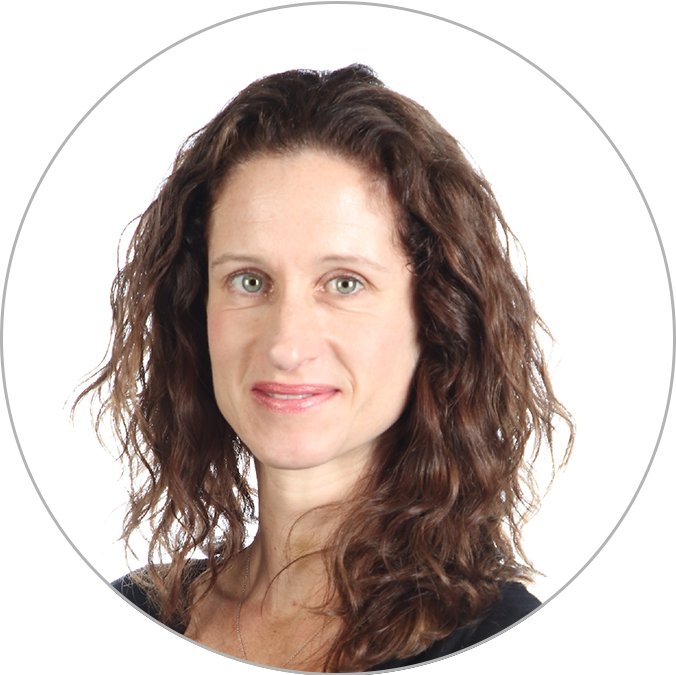
Carolyn Owen, MD, FRCPC
Associate Professor
Arthur J.E. Child Comprehensive Cancer Centre
Calgary, AB
Dr. Owen’s previous research has focused largely on the molecular basis of familial MDS and AML and she continues to investigate families with inherited hematological malignancies. Despite her research interest in myeloid neoplasms, her clinical work is focused on lymphoma and chronic lymphocytic leukemia and she has a research focus on clinical trials with significant national leadership in CLL clinical trials.
Planning Committee:
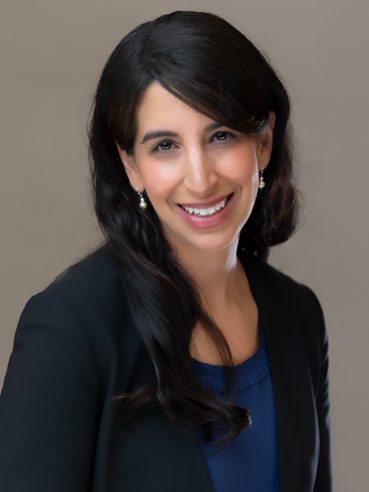
Alina S. Gerrie, MD, MPH, FRCPC
Associate Professor, University of British Columbia
Hematologist, Centre for Lymphoid Cancer, BC Cancer
Vancouver, BC
Dr. Alina Gerrie is a hematologist and Associate Professor in the Divisions of Hematology and Medical Oncology at the University of British Columbia (UBC) . She is a member of the Lymphoma Tumour Group at BC Cancer and a Clinician Investigator with the Centre for Lymphoid Cancer at the BC Cancer Research Centre. She completed her medical degree and internal medicine residency at the University of Toronto, followed by hematology residency at UBC. She undertook a fellowship through the Royal College Clinical Investigator Program and earned a Master of Public Health degree from Harvard University. Dr. Gerrie is involved in translational, clinical trial, and outcomes-based research related to leukemia and lymphoma, particularly chronic lymphocytic leukemia (CLL), and currently serves on the Global Partnership Committee of the International Workshop on CLL (IWCLL) and as the President of the Canadian Hematology Society.
odgkin lymphomas.
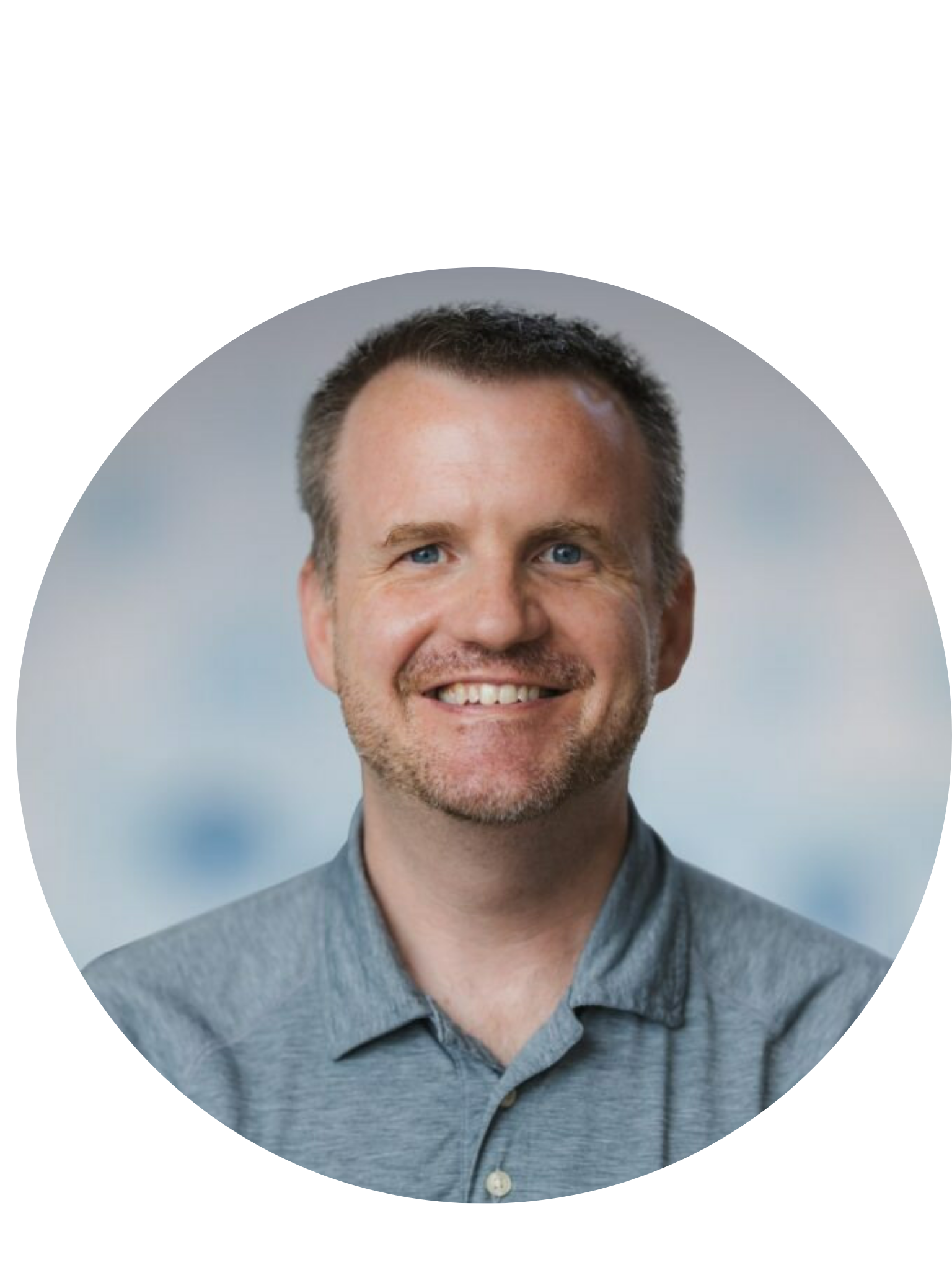
Christopher Hillis, MD MSc FRCPC
Hematologist, Juravinski Hospital and Cancer Centre
Associate Professor, Department of Oncology, McMaster University
Vice President of Oncology, Hamilton Health Sciences
Hamilton, ON
Dr. Chris Hillis is a malignant hematologist at the Juravinski Cancer Centre and an Associate Professor in the Department of Oncology at McMaster University. He is currently the Vice President of Oncology at Hamilton Health Sciences (HHS), where he leads one of Ontario’s largest integrated cancer programs. Prior to this interim appointment, Dr. Hillis served as Chief of Oncology for HHS.
Dr. Hillis brings a system-level perspective to cancer care, informed by his previous role as Associate Chief Medical Information Officer at HHS and his background in quality improvement, digital transformation, and clinical operations. He completed an MSc in Quality Improvement and Patient Safety and trained as a Quality Scholar with the U.S. Department of Veterans Affairs, grounding his leadership approach in evidence-based improvement science.
Clinically, Dr. Hillis specializes in the care of patients with chronic lymphocytic leukemia (CLL) and myeloproliferative neoplasms (MPNs). He leads a CIHR-funded research program focused on improving how clinical trial outcomes reflect what truly matters to patients with hematologic malignancies.
Nationally, Dr. Hillis serves as President of the Canadian Hematology Society and has held leadership roles with the Royal College of Physicians and Surgeons of Canada and Choosing Wisely Canada. He is widely engaged in advancing guideline development, quality initiatives, and system redesign efforts that strengthen cancer care across Canada.
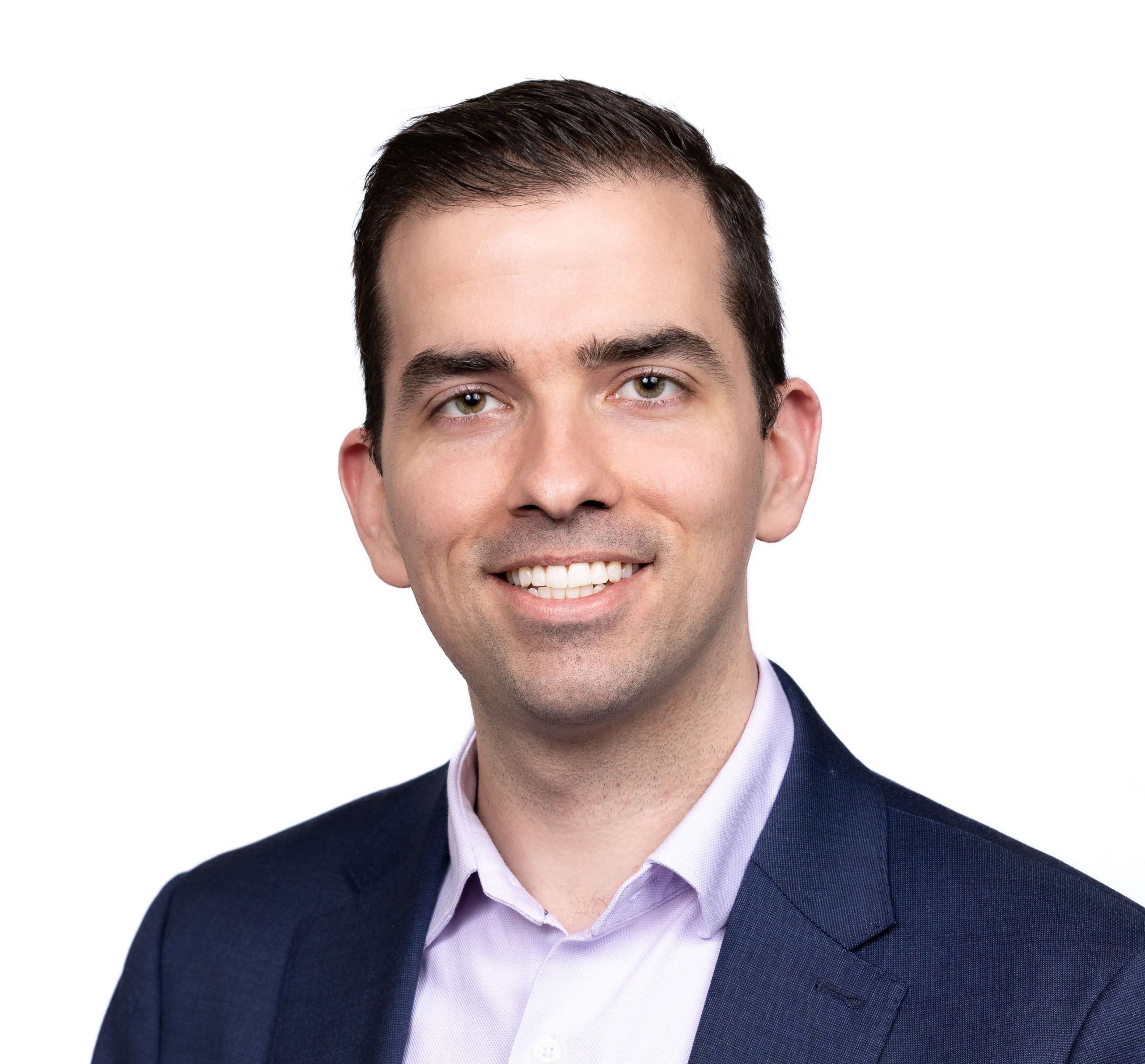
Christopher Lemieux, MD, FRCPC
Hematologist, CHU de Québec–Université Laval
Director, CAR-T Program
Clinical Associate Professor of Medicine, Université Laval
Quebec City, Quebec
Dr. Christopher Lemieux is a hematologist at CHU de Québec–Université Laval, where he serves as Director of the CAR-T cell therapy program and the Hematology Fellowship Program at Université Laval. He completed advanced fellowship training in transplantation and cellular therapy at Stanford University.
In addition to his clinical and academic leadership roles, Dr. Lemieux is a key member of the Québec Immunocellular Therapy Network, contributing to province-wide initiatives aimed at expanding access to advanced immunotherapies. His research focuses on the clinical integration of novel immunotherapeutic strategies for B-cell malignancies, with a particular emphasis on CAR-T cell therapy and other emerging cell-based treatments.
As both a practicing clinician and active researcher, Dr. Lemieux is dedicated to bridging the gap between innovation and patient care—bringing the latest scientific advances in hematologic oncology to the bedside.
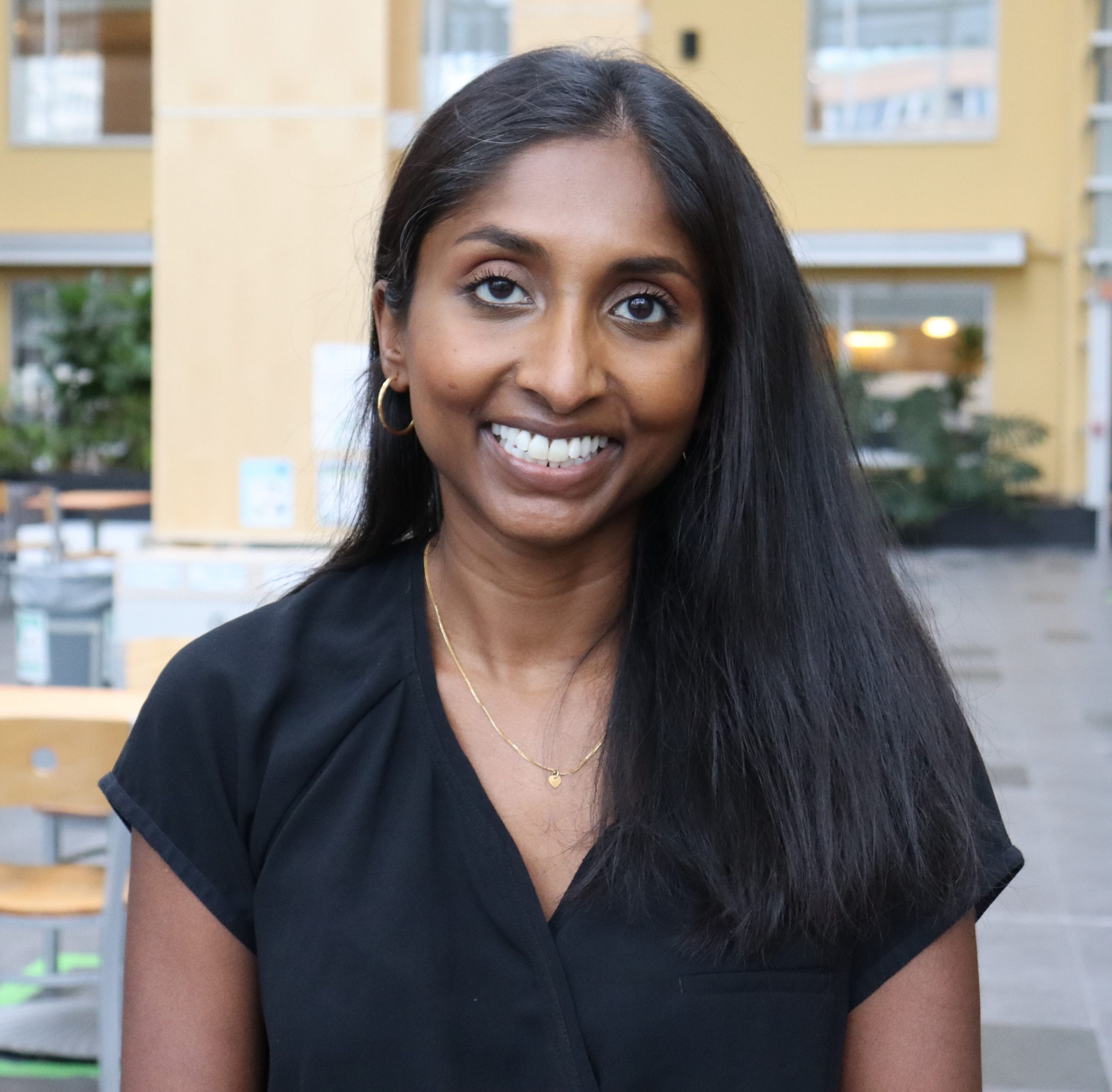
Abi Vijenthira
Clinician Investigator
Princess Margaret Cancer Centre
Toronto, ON
Abi Vijenthira is a clinician-investigator at Princess Margaret Cancer Centre in Toronto, ON. Her clinical focus is lymphoma with a special interest in CLL. Her research focuses on knowledge synthesis, health outcomes and clinical trials of novel therapies.
Speakers
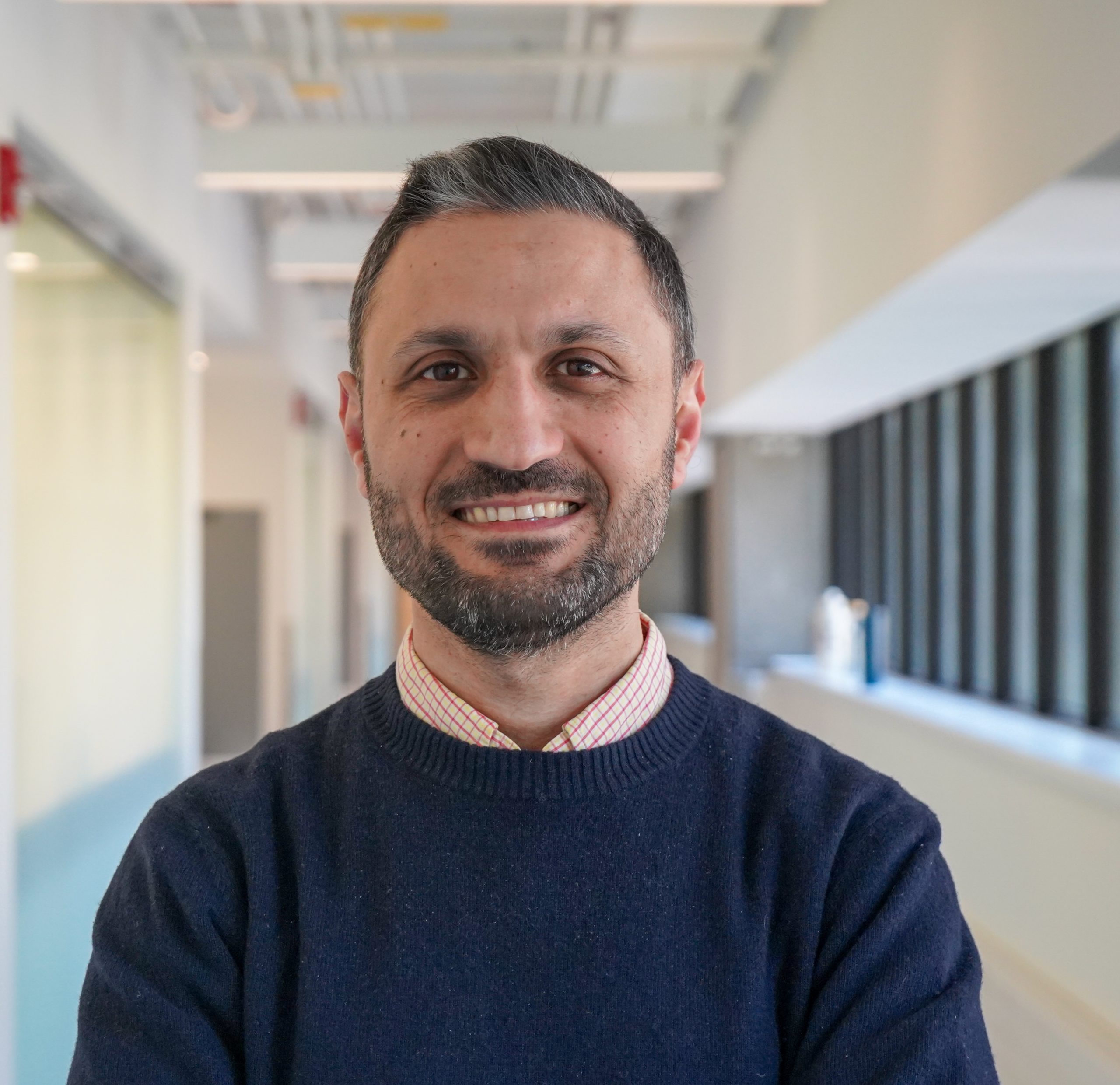
Ali Abdul-Sater, Ph.D.
Associate Professor
Director, PsA CARE Hub
Faculty of Health, School of Kinesiology and Health Science
Muscle Health Research Centre, York University
Toronto, ON
Dr. Ali Abdul-Sater is an Associate Professor in the Faculty of Health at York University in Toronto and the Director of the PsA CARE Hub. His research program focuses on uncovering how inflammation is controlled in the body and on developing new strategies to “dial it down” in autoimmune diseases such as rheumatoid arthritis and psoriatic arthritis. His lab discovered how a key immune protein, TRAF1, regulates inflammation and immune activation, and is exploring ways to target this pathway to reduce joint damage and improve patient outcomes.
Beyond autoimmune disease, Dr. Abdul-Sater’s work on TRAF1 extends to chronic lymphocytic leukemia (CLL), where his lab showed that the PKN1-TRAF1 signaling axis represents a promising new therapeutic target. His team is now developing new strategies to target the TRAF1/PKN1 axis in CLL.
Dr. Abdul-Sater’s work has been supported by major federal and private funders, including the Canadian Institutes for Health Research (CIHR), Natural Sciences and Engineering Research Council of Canada (NSERC), New Frontiers in Research Fund (NFRF), the Krembil Foundation, and the Arthritis Society. He has received several prestigious awards, including the Stars Career Development Award from the Arthritis Society, the Bhagirath Singh Early Career Award in Infection and Immunity from CIHR, a Discovery Award from the Banting Foundation, the President’s Emerging Research Leadership Award (PERLA) from York University, and a York University Research Chair in the Regulatory Mechanisms of Inflammation.
Sarit E. Assouline, MDCM
Associate Professor, Division of Hematology, McGill University
Clinical Researcher and Hematologist, Jewish General Hospital
Montreal, QC
Dr. Assouline is a clinical researcher and hematologist at the Jewish General Hospital in Montreal, where she is the division head of Hematology and the associate director of the Clinical Research Unit. Dr. Assouline is an associate professor in the Department of Medicine, McGill University. She co-founded the Medical Oncology Clinical Research Fellowship, where she supervises post-graduate fellows interested in early phase clinical trial in hematological malignancies. She is co-chair of the Hematology Group at the CCTG (Canadian Cancer Clinical Trials Group), which designs and conducts clinical trials for Canadian patients with hematological malignancies. She is also director of the CML (Chronic Myelogenous Leukemia) clinic at the Jewish General Hospital, the first of its kind in Quebec.
Dr. Assouline’s research interests focus primarily on early phase clinical trials of novel therapies for the treatment of acute leukemia and lymphoma. She is involved in the clinical development of numerous therapies which have improved the outcome of patients living with these diseases. She is also interested in translational and outcomes research pertaining to lymphoma and leukemia and the novel therapies on which she conducts clinical trials. Dr. Assouline holds an FRSQ Chercheur Clinicien de Merite award, which supports her many research endeavours.
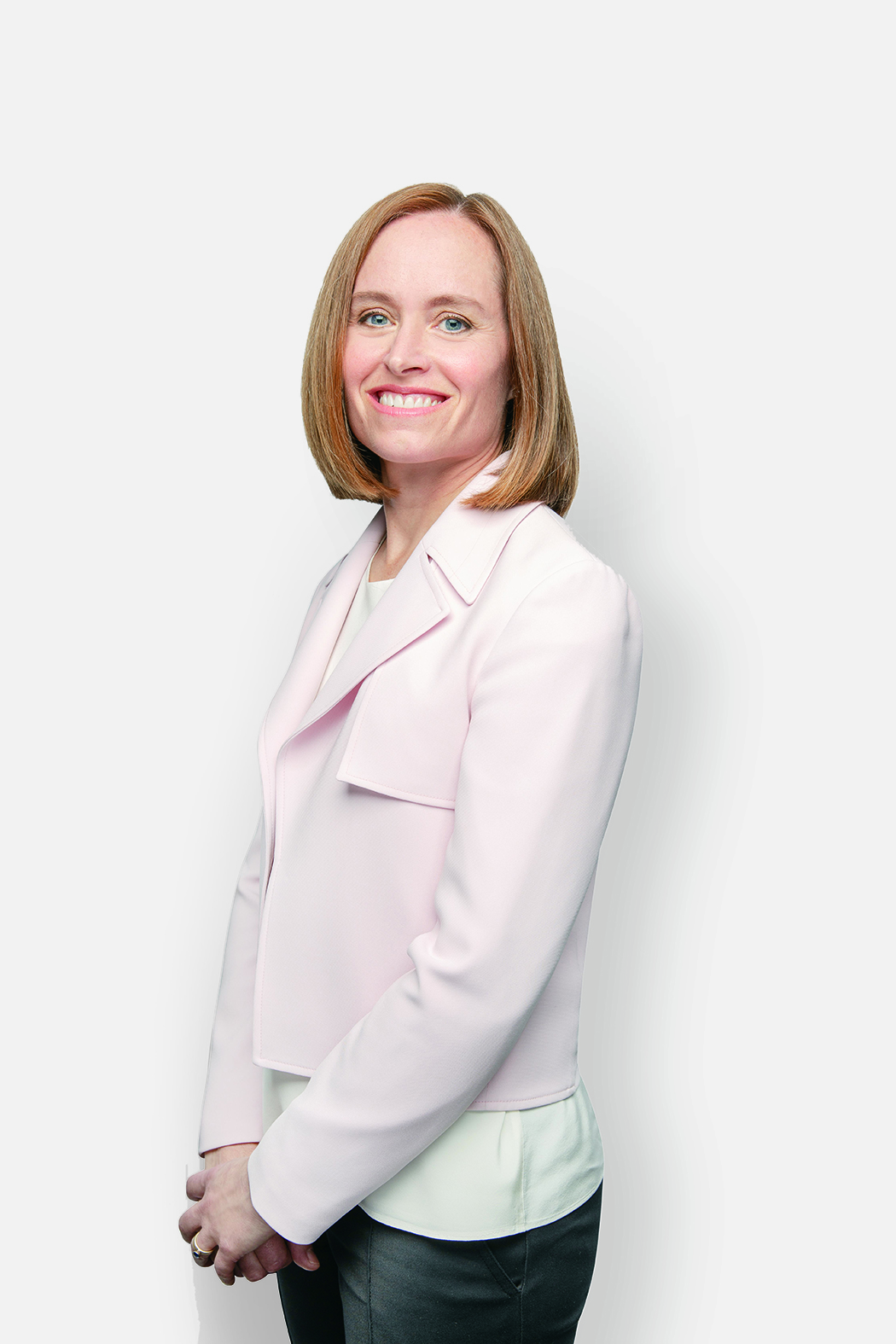
Jeannie Callum, MD, FRCPC
Director of Transfusion Medicine and Professor,
Department of Pathology and Molecular Medicine,
Queen’s University
Kingston, ON
Jeannie L. Callum, MD, FRCPC, is a Transfusion Medicine Specialist and Hematologist at Kingston Health Sciences Center and Professor in the Department of Pathology and Molecular Medicine at Queen’s University. She serves as the co-lead for the Canadian Transfusion Trials Group. She is also a Professor in the Department of Laboratory Medicine and Pathobiology at the University of Toronto.
Her primary interests in transfusion medicine include clinical trials, and guideline development. She has been involved with the conduct of numerous transfusion clinical trials including PROPPR, FIIRST-2, FIBRES, CONCOR-1, FARES-2, ALTER-AKI, and RATIONAL-PT. She has been involved with several transfusion guidelines, including leading the ICTMG Albumin guideline. She is an Associated Editor at Transfusion Medicine Reviews.
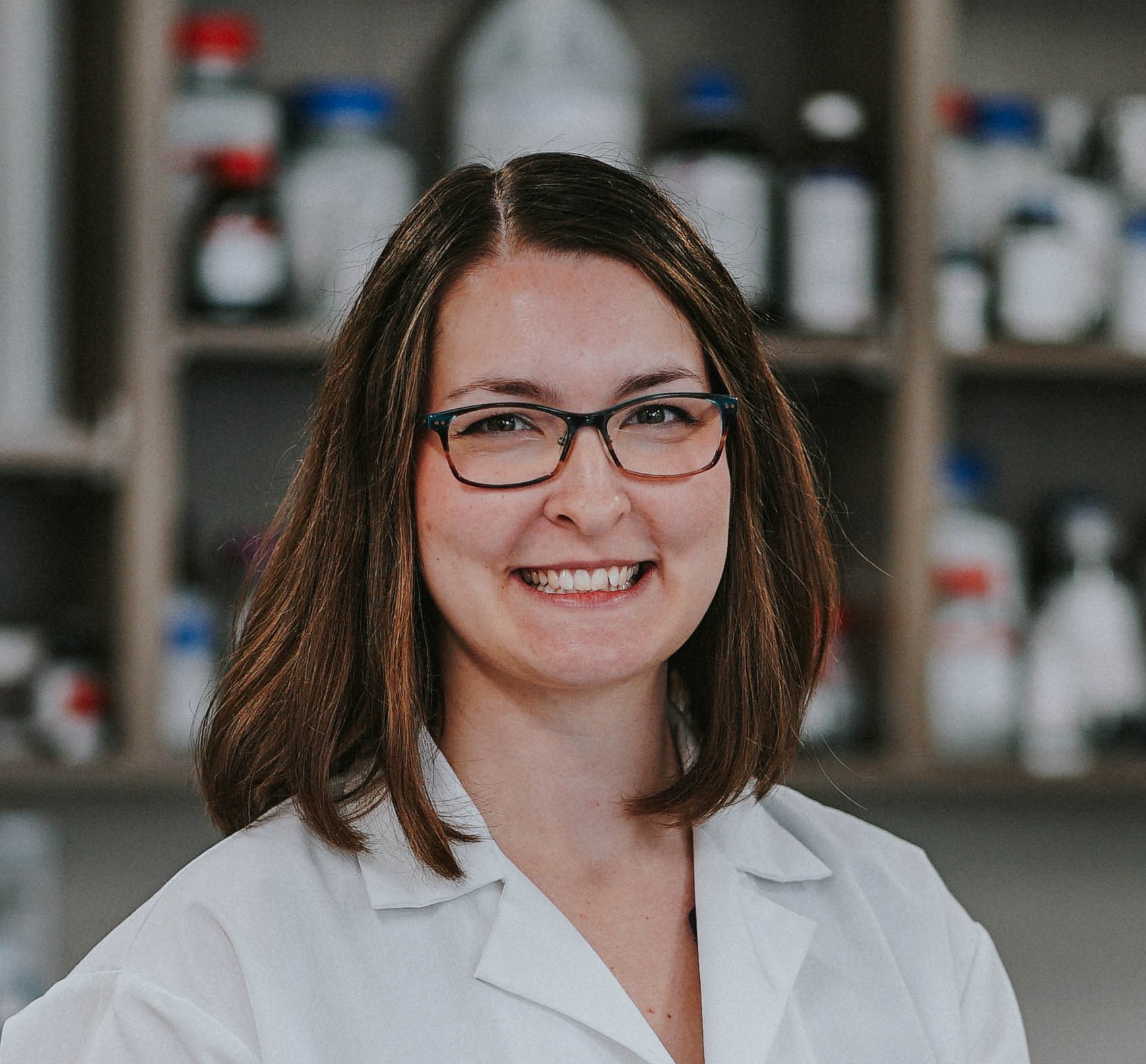
Rebecca Dielschneider, Ph.D.
Associate Professor, Health Science
Chair, Natural and Social Science Department
Chair, Providence Research Ethics Board
Otterburne, MB
Rebecca Dielschneider (PhD, University of Manitoba and BSc, Dalhousie University) is a highly praised educator, award-winning scholar, and sought-after public speaker. She is an Associate Professor and Department Chair at Providence University College in Otterburne, Manitoba. There, Dr. Dielschneider built an undergraduate science program which includes a General Biology major, Health Science major, and Environmental Science major. She developed and regularly teaches courses in introductory biology, scientific writing and communication, microbiology, immunology, molecular methods, cancer biology, pharmacology, and more. Her research interests span the areas of pedagogy and cancer biology. She is currently involved in projects that investigate inclusive citation in the classroom and the immunobiology of chronic lymphocytic leukemia.
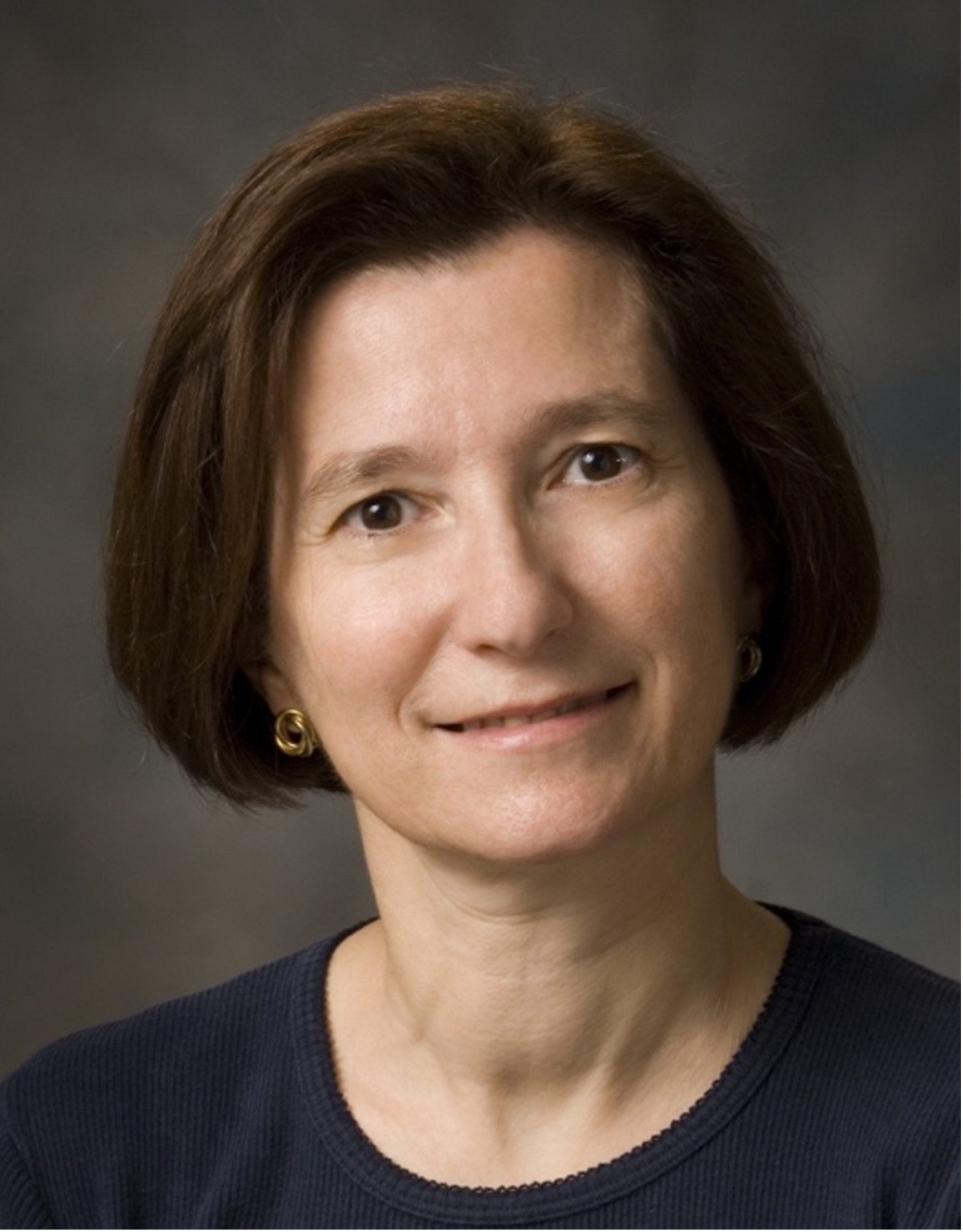
Alessandra Ferrajoli, M.D.
Professor of Leukemia
Deputy Chair, Department of Leukemia
Associate Medical Director, MD Anderson’s Leukemia Center
Hematologist and Oncologist
MD Anderson Cancer Center
Houston, TX
Dr. Alessandra Ferrajoli is a professor of Leukemia at MD Anderson. She also serves as Deputy Chair of the Department of Leukemia and the associate medical director of MD Anderson’s Leukemia Center, one of the world’s most recognized treatment centers for leukemia and blood disorders. As an academic hematologist and oncologist, Dr. Ferrajoli’s main areas of interest include the treatment and biology of chronic lymphocytic leukemia and its variants, as well as the treatment of elderly patients with acute and chronic leukemia. She earned her medical degree at the University of Perugia, in Italy, and completed internal medicine residencies at both the University of Perugia and the University of Texas Medical School. She also completed a research clinical immunology and biological therapy fellowship as well as a clinical hematology/oncology fellowship at MD Anderson. Among her many accolades, she has received MD Anderson’s Faculty Achievement Award in Patient Care, and she is a four-time recipient of the institution’s Teacher of the Year Award for her mentorship in the Leukemia Fellowship Program.
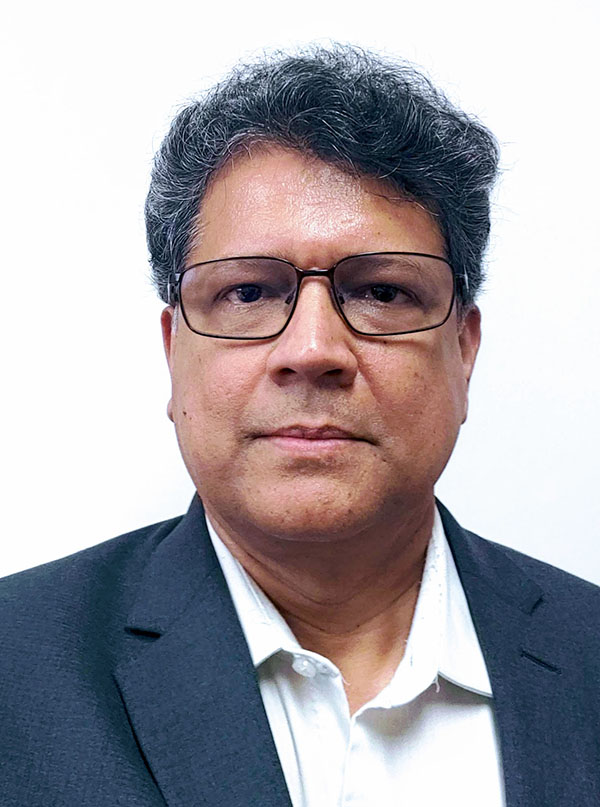
Asish K Ghosh, Ph.D.
Professor, Department of Pathology, Stephenson Cancer Center
University of Oklahoma Health Sciences Center
Oklahoma City, OK
Dr. Asish K. Ghosh is a Professor in the Department of Pathology at the University of Oklahoma Health Sciences Center (OUHSC) and a member of the Stephenson Cancer Center. His laboratory is located in the Biomedical Research Center (BRC) in Oklahoma City, Oklahoma.
He received his PhD degree in Biochemistry in 1998 from the University of Calcutta, India. Following his doctoral studies, Dr. Ghosh held several research fellowships and associate positions at institutions including the St. Louis University, Misouri and Mayo Clinic in Rochester, Minnesota, USA.
Dr. Ghosh’s research focuses on understanding the molecular mechanisms underlying B-cell malignancies, particularly Chronic Lymphocytic Leukemia (CLL). His specific areas of interest include: (i) CLL cell biology and signaling pathways including receptor tyrosine Kinases (RTK) and & non-RTKs, (ii) Drug targeting and development of targeted small molecule inhibitor therapies for relapsed/refractory CLL, (iii) Role of CLL tumor microenvironment and extracellular vesicles in CLL disease progression. His research team is also investigating the role of specific molecules, like BCL6 and the novel mitochondrial lipid kinase, acylglycerol kinase (AGK) in CLL tumorigenesis.
Dr. Ghosh has received multiple fundings from the National Institutes of Health (NIH) and other sources to support his research.
Dr. Ghosh is a member of the American Society of Hematology and the American Association for Cancer Research. He has received several honors, including fellowships from the Council of Scientific and Industrial Research (CSIR), Government of India, Yong Investigator’s Award, awards from the Mayo Clinic, Eagles Cancer Research and CLL Global research Foundation from MD Anderson Cancer Center.
Dr. Ghosh has published numerous peer-reviewed articles in leading scientific journals, contributing significantly to the understanding of CLL cell biology, signaling, disease pathogenesis. He is also actively involved in mentoring students, post-docs and trainees in his laboratory.
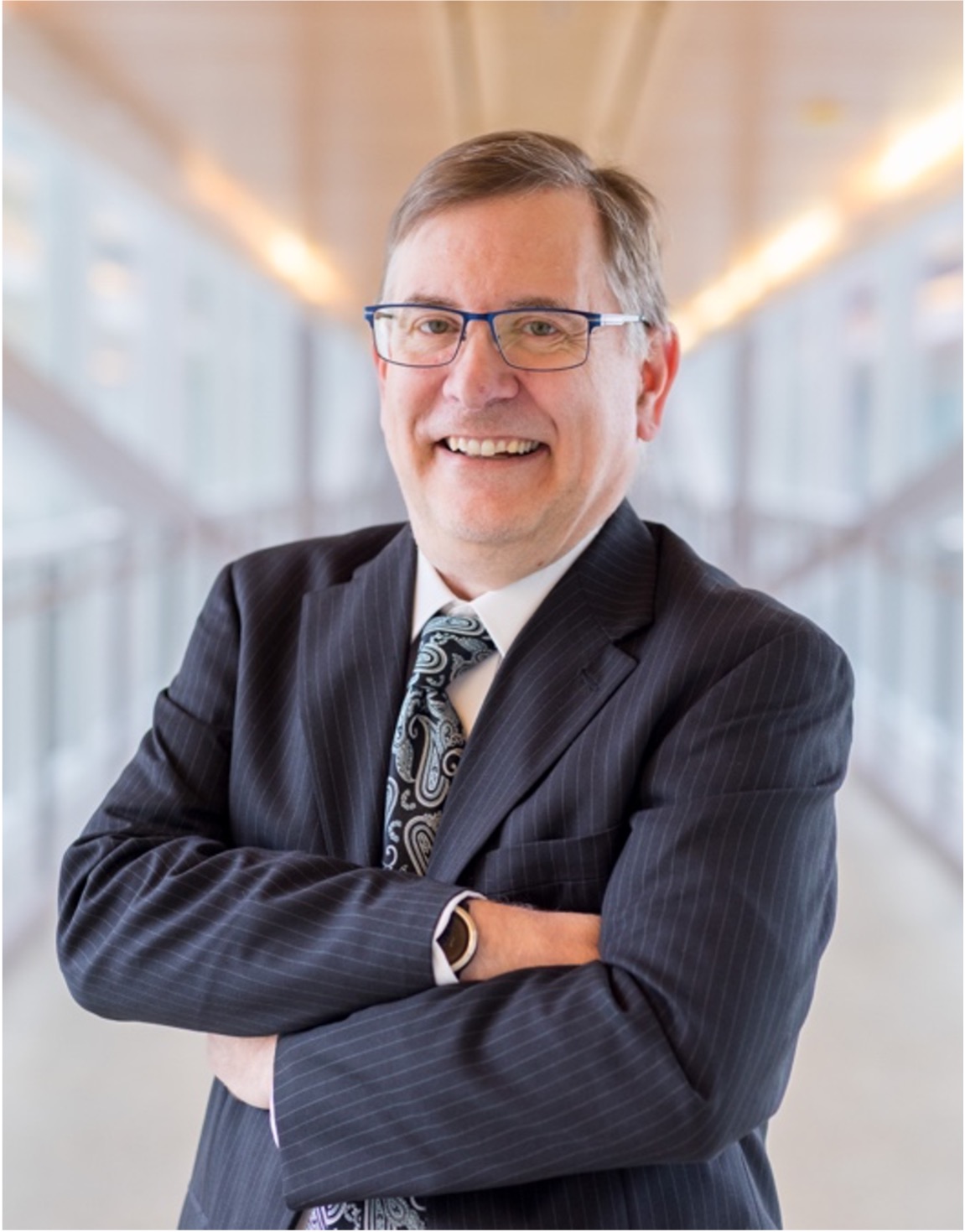
Spencer Gibson, Ph.D
Dianne and Irving Kipnes Endowed Chair in Lymphatic Disorders
Professor, Department of Oncology, Faculty of Medicine and Dentistry
Cancer Research Institute of Northern Alberta
University of Alberta
Edmonton, AB
Dr. Gibson graduated from the University of Toronto, where he gained his Ph.D. in the Department of Laboratory Medicine and Pathobiology. During his Ph.D. studies, he travelled to M.D. Anderson Cancer Center in Houston, Texas, as a pre-doctoral fellow where he completed his Ph.D. studies. Dr. Gibson was a post-doctoral fellow at the National Jewish Medical and Research Center in Denver, Colorado. Dr. Gibson was also a Professor in the Department of Biochemistry and Medical Genetics and the Department of Immunology at the University of Manitoba. Furthermore, he was a Senior Scientist at the CancerCare Manitoba Research Institute (formerly the Manitoba Institute of Cell Biology, MICB) since 1999. At the Research Institute, Dr. Gibson was Director of the Institute, where he contributed to the expansion of the Manitoba Tumor Bank and initiated new translational research projects. At the national level, Dr. Gibson is Prairie Node leader for the Terry Fox Research Institute. Dr. Gibson was recruited to the University of Alberta to be the first Kipnes Endowed Chair in Lymphatic Disorders. The focus of this endowed chair research is to define the signal transduction pathways leading to cell death or survival in lymphedema and cancer. He will also establish a translational research program and lymphedema research network in Alberta to improve the lives of lymphedema patients.
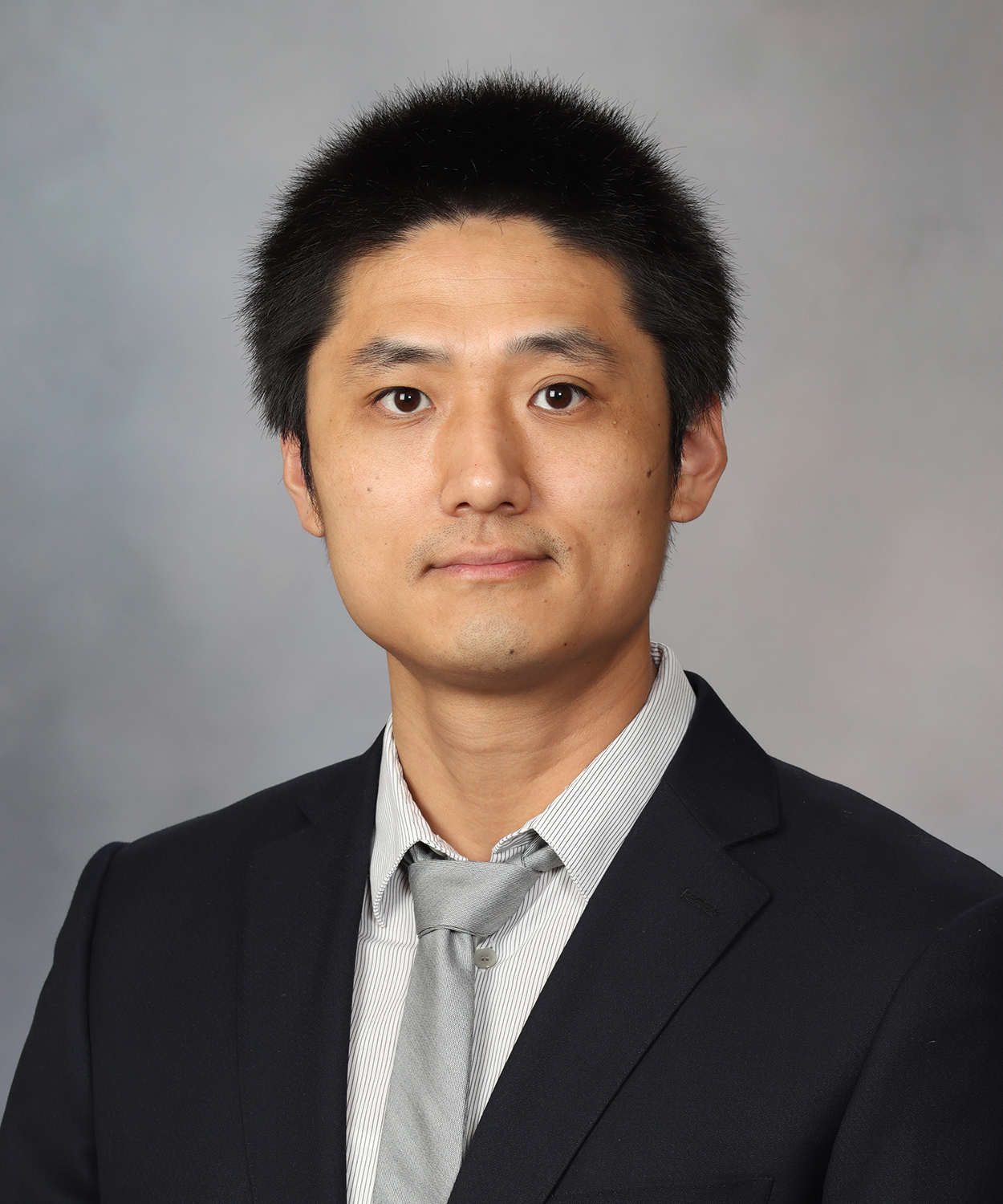
Weiguo Han Ph.D
Research Associate,
Division of Hematology,
Mayo Clinic
Rochester, MN,USA
Weiguo Han, PhD, is a Research Associate in Dr. Neil Kay’s laboratory in the Division of Hematology at Mayo Clinic. His research focuses on chronic lymphocytic leukemia (CLL), with particular interests in drug response assessment, tumor microenvironment–mediated drug resistance, and interpatient variability in drug sensitivity. He has been developing drug sensitivity profiling approaches using primary patient-derived CLL cells to evaluate novel therapeutic strategies and better understand mechanisms of drug response. His work aims to identify biologically informed approaches that may improve therapeutic strategies for CLL.
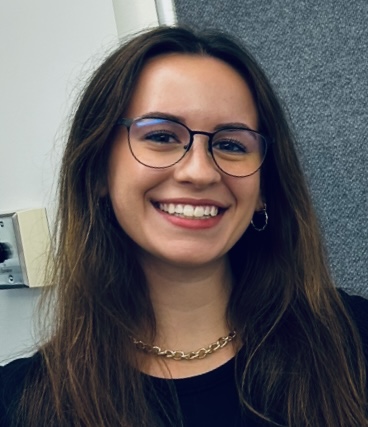
Clare Hibbert
Master’s Student, Department of Pharmacology and Therapeutics, University of Manitoba
Clinical Research Professional, Paul Albrechtsen Research Institute, CancerCare Manitoba
Winnipeg, MB
Clare Hibbert is a graduate of the University of Manitoba, where she earned a Bachelor of Science with a major in Genetics and a minor in Chemistry in 2024. She is currently completing her final year of a Master’s degree in the Department of Pharmacology and Therapeutics at the University of Manitoba, working at CancerCare Manitoba under the direction of Dr. Sachin Katyal and Dr. James Johnston. Her research focuses on Chronic Lymphocytic Leukemia, specifically investigating venetoclax resistance and the potential of combination therapy using a DNA-PK inhibitor.
Since 2022, Clare has worked at CancerCare Manitoba as a Clinical Research Professional, where she manages the CMRG Multiple Myeloma Database and project consenting, as well as a local and off-site database for Hairy Cell Leukemia. Her work bridges clinical research and translational science, with a strong focus on hematologic malignancies.
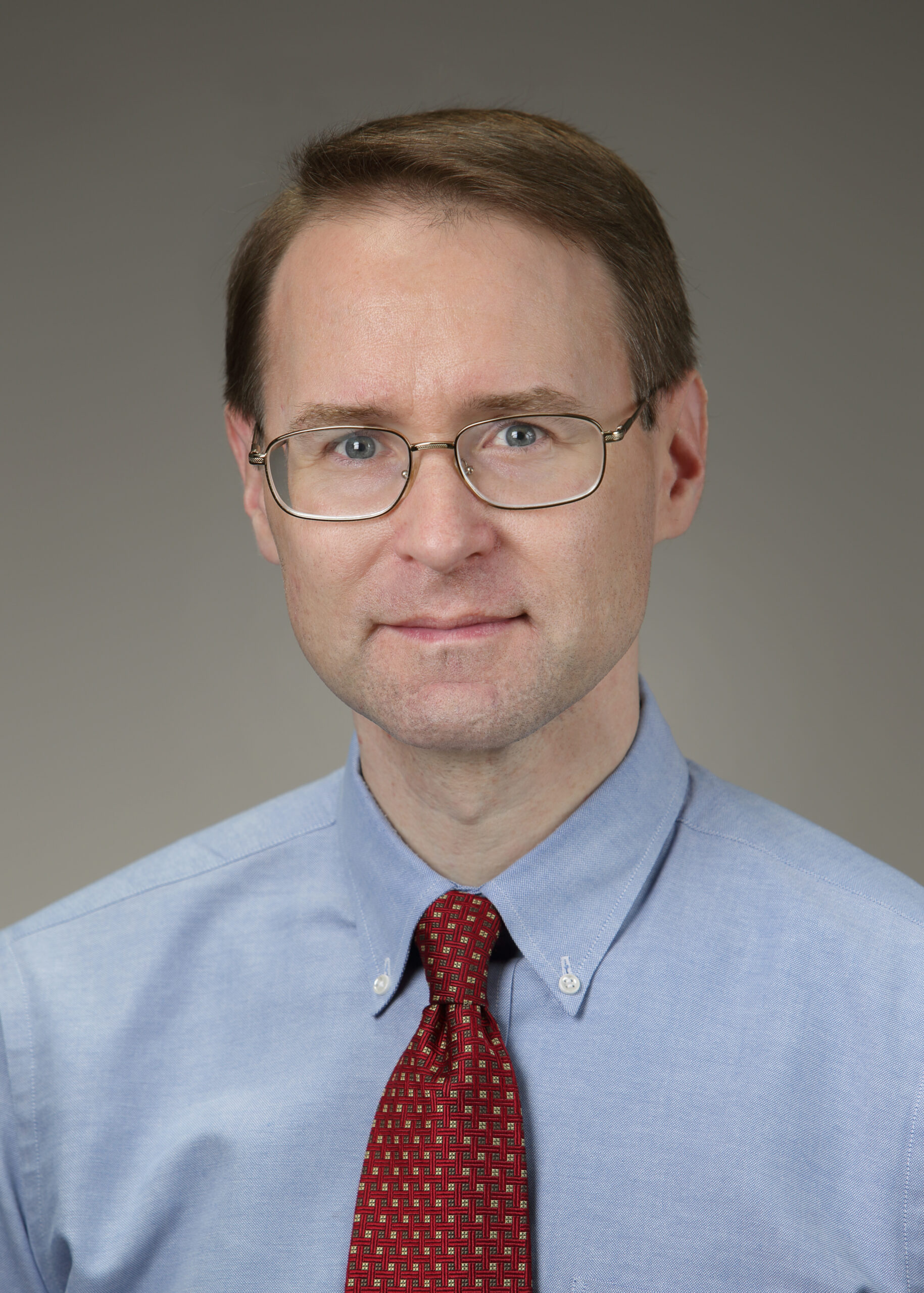
James Kochenderfer, M.D.
Hematologist and Medical Oncologist
Senior Investigator, Surgery Branch
National Cancer Institute, National Institutes of Health
Bethesda, MD
Dr. James Kochenderfer, M.D. is a Tenured Senior Investigator in the Surgery Branch of the National Cancer Institute (NCI). Dr. Kochenderfer received his M.D. from West Virginia University and then completed Internal medicine training at Vanderbilt University, a Medical Oncology Fellowship at the M.D. Anderson Cancer Center and a Hematology Fellowship at Baylor College of Medicine. He then undertook a period of postdoctoral research training in T-cell immunotherapy at the National Cancer Institute. Dr. Kochenderfer’s career has focused on a full range of chimeric antigen receptor (CAR) research from designing and constructing new CARs to conducting clinical trials. Dr. Kochenderfer designed a novel anti-CD19 CAR and then participated in a clinical trial of this CAR. This clinical trial was the first to demonstrate antigen-specific activity of anti-CD19 CARs in humans. This work in anti-CD19 CAR T cells led to the first Food and Drug Administration-approved CAR T-cell therapy for lymphoma. Dr. Kochenderfer designed the first chimeric antigen receptor targeting B-cell maturation antigen (BCMA). He then led the first clinical trial of T cells expressing an anti-BCMA CAR. Dr. Kochenderfer is currently Principal Investigator of CAR T-cell clinical trials targeting lymphoma, leukemia, and multiple myeloma. He leads a lab that designs new CARs and studies CAR T-cell biology. He has recently initiated studies of genetically engineered T-cell therapies for T-cell malignancies and myeloid malignancies.
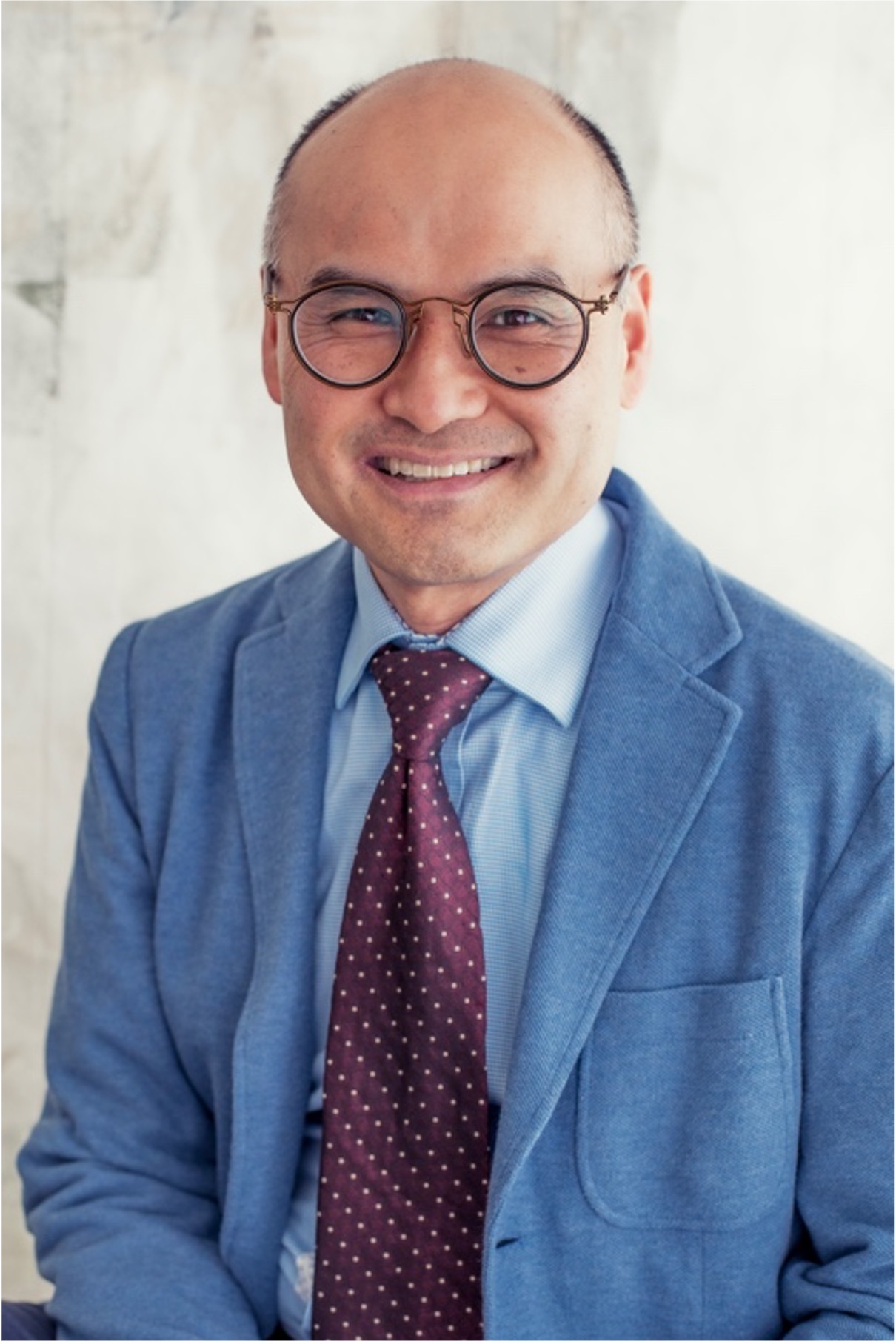
Julian J. Lum, Ph.D
Distinguished Scientist, Deeley Research Centre, BC Cancer
Professor, School of Molecular Life Sciences, University of Victoria
Theme Leader, Cancer Immunobiology, BC Cancer Research Institute
Director, The Metabolomics Consortium of British Columbia (MetaboBC)
Victoria, BC
Dr. Julian J. Lum graduated with a PhD in Immunology from the University of Ottawa. He spent five years training at the University of Pennsylvania in the field of cancer biology with special emphasis on tumor metabolism. There he studied how cells adapt to nutrient stress and the role of autophagy in promoting cancer cell survival. In 2008, Dr. Lum returned to Canada and joined the Deeley Research Centre at BC Cancer where his current research interest is focused on the relationship between metabolism and its impact on immune responses in ovarian cancer. His lab published one of the first studies delineating the metabolomes of T cells in human cancer. The broader goal of his lab is to identify potential metabolic targets that can be used to enhance cell-based immunotherapy. His core approach is to metabolomically engineer CAR-T cells using CRISPR-Cas-based gene-editing as way to overcome metabolic barriers in the tumor microenvironment. More recently, Dr. Lum’s lab has been examining the effects of dietary modifications such a time-restricted eating in cancer patients and how this alters T cell responses. He leads the MetaboHUB TFRI PPG understanding the metabolic tumor microenvironment. For more information about his lab, please click on his lab website: lumlab.ca
Dr. Lum serves as the Director of the Metabolomics Consortium BC (Metabo-BC), a network of metabolomic experts that provide the research community a core platform to conduct metabolomics research. This includes access to: human biospecimens, mass-spectrometry facilities, and customized guidance on development of research protocols, and data analytics.
Dr. Lum is a Professor with the School of Molecular Life Sciences, University of Victoria and Distinguished Scientist, BC Cancer, and the inaugural Theme Leader for Cancer Immunology at the BC Cancer Research Institute. His work is funded by the BC Cancer Foundation, CIHR, US Department of Defence, TFRI, and Genome BC.
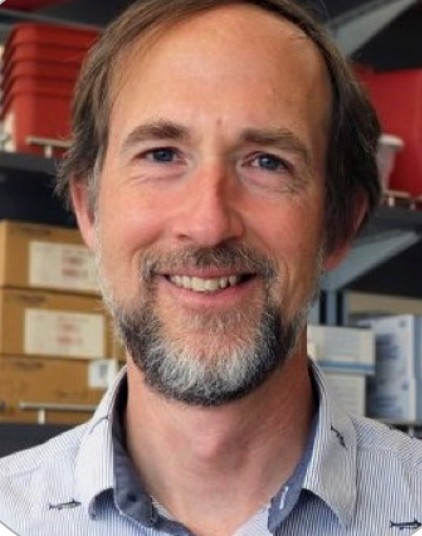
Aaron Marshall, PhD
Professor and Head of Immunology
University of Manitoba
President, Canadian Society for Immunology
Winnipeg, MB
Dr. Aaron Marshall is Professor and Head of Immunology at the University of Manitoba and President of the Canadian Society for Immunology. Dr Marshall earned his PhD in Immunology at the University of Toronto and during a post-doctoral fellowship at the University of Washington he furthered his studies in the field of B lymphocyte molecular and cell biology. His research program is centerd on signal transduction pathways that control various aspects of normal and malignant B lymphocyte biology, including cell migration, adhesion, metabolic reprogramming and immune regulation. Dr. Marshall’s work has a particular focus on regulation and function of the phosphoinositide 3-kinase (PI3K) signaling network in the context of CLL and beyond. Dr. Marshall has also worked with Manitoba CLL Clinic researchers to better understand immune dysfunction in CLL patients more broadly.
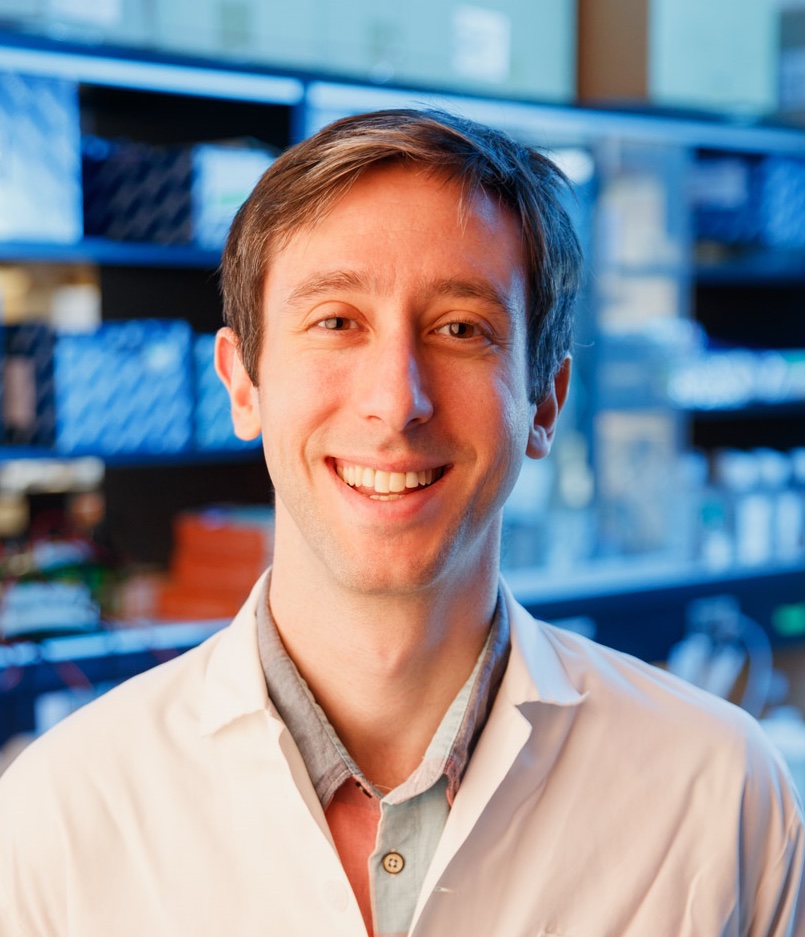
Yale Michaels, PhD
Assistant Professor
Department of Biochemistry and Medical Genetics, Rady Faculty of Health Sciences
The University of Manitoba
Winnipeg, Manitoba
Yale Michaels is an Assistant Professor in the Department of Biochemistry and Medical Genetics in the Rady Faculty of Health Sciences at the University of Manitoba and a principal investigator at the Paul Albrechtsen Research Institute CancerCare Manitoba.
Yale obtained a bachelor’s degree in molecular and cellular biology from Harvard University and completed a PhD (DPhil) in Medical Science at Oxford in 2019. From 2019 to 2022, Yale was a Banting and Michael Smith Health Research BC postdoctoral fellow in Professor Peter Zandstra’s lab at the University of British Columbia’s School of Biomedical Engineering. While in the Zandstra lab, he developed a clinically translatable method for differentiating pluripotent stem cells into T cells.
The Michaels lab works to develop safe, effective and accessible cell and gene therapies for cancer and immune disease.
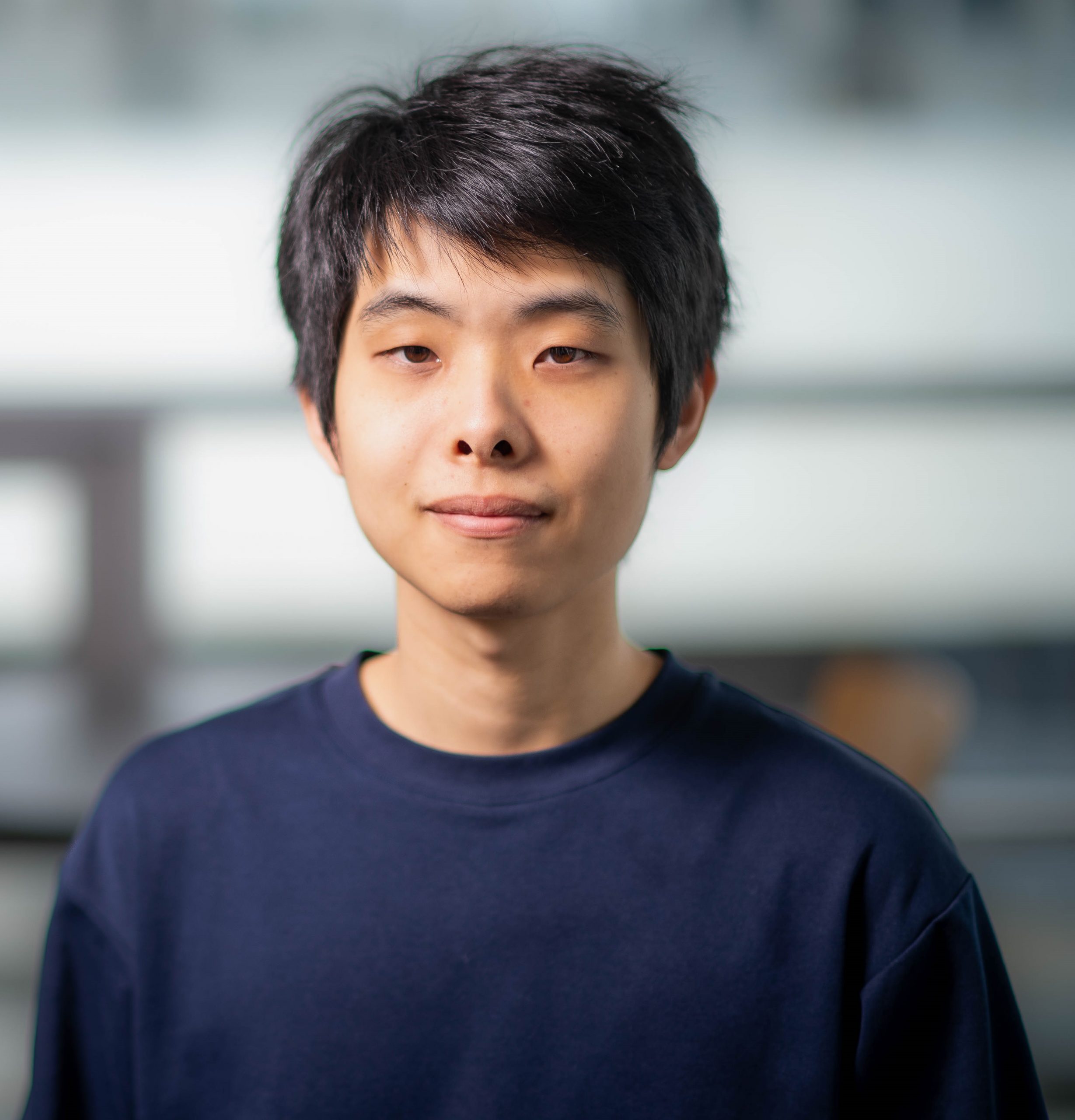
Jeffrey Niu, BSc, Msc
PhD student
University of British Columbia & BC Cancer
Vancouver, BC
Jeffrey is a PhD student co-supervised by Drs. Jiarui Ding at UBC and Christian Steidl at BC Cancer, working on computational methods and analysis of single-cell sequencing data. His research at BC Cancer focuses on the analysis of single-cell transcriptomics and spatial transcriptomics of B cell lymphomas.
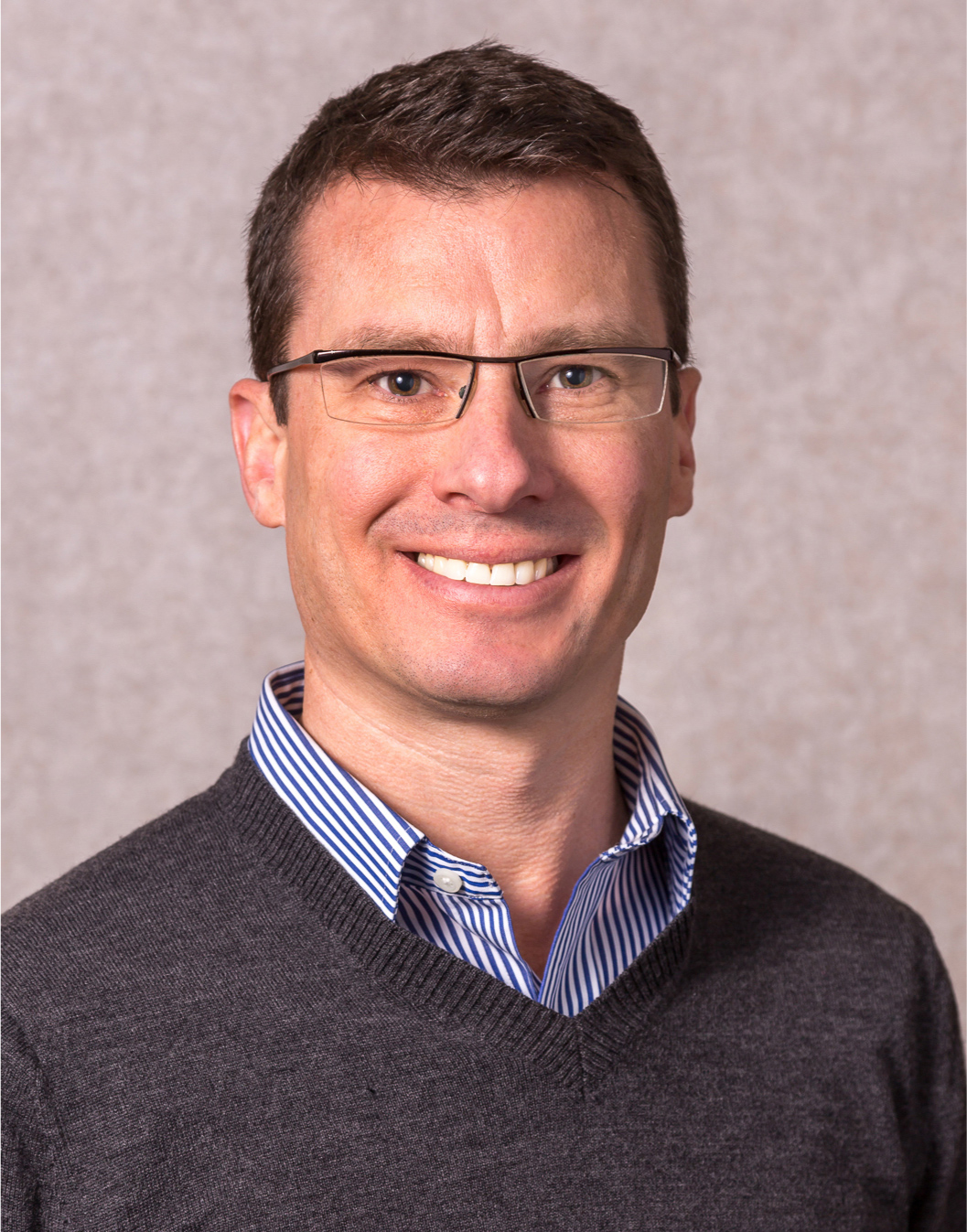
Christopher Oakes, PhD
Associate Professor,
Departments of Internal Medicine and Biomedical Informatics,
Ohio State University
Columbus, OH
Christopher Oakes, PhD is an Associate Professor in the Departments of Internal Medicine and Biomedical Informatics at the Ohio State University. His laboratory investigates epigenomic, genetic and other molecular features of a broad range of hematological malignancies, with a focus on chronic lymphocytic leukemia and other non-Hodgkin’s lymphomas as well as acute myeloid leukemia. He explores high-throughput epigenetic and molecular profiling data and combines these analyses with functional evaluation of key genes and molecular pathways. His laboratory is interested in the developmental origins of epigenetic programs in lymphoid and myeloid malignancies and aim to uncover the ontogeny of disease development. Current research focuses on investigating the role that perturbation of gene function plays in establishing aberrant global epigenetic states and landscapes. Beyond fundamental tumor biology, he aims to develop novel molecular diagnostics for clinical stratification and prediction of treatment response, as well as the identification of novel therapeutic targets.
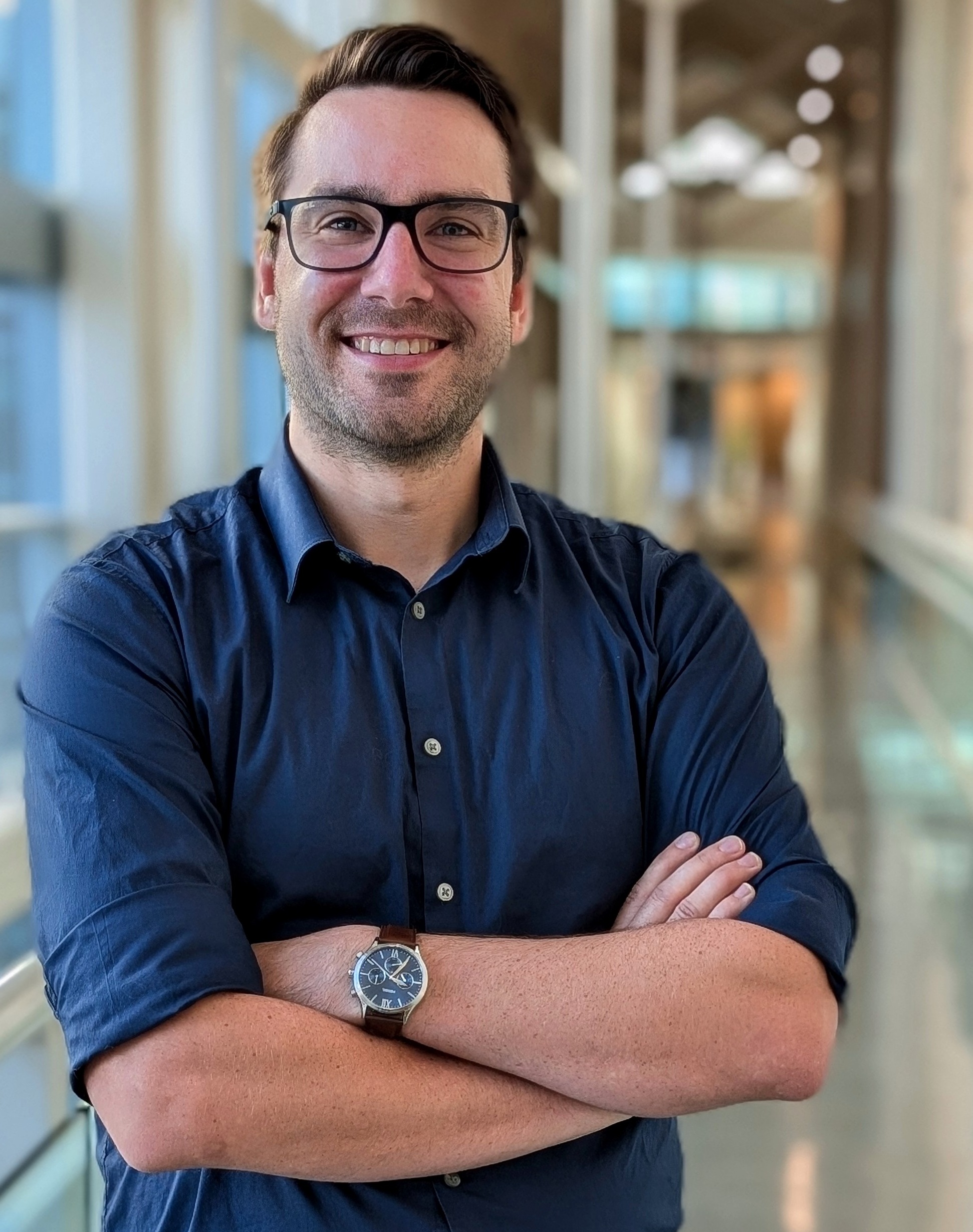
Michael Parcey, Ph.D.
Head of Phage Science, Therapeutics, and Research
National Microbiology Laboratory, Public Health Agency of Canada
Winnipeg, MB
Dr. Parcey is a phage virologist and the head of the Phage Science, Therapeutics, and Research Unit at the National Microbiology Laboratory in Winnipeg. He operates the national phage susceptibility testing program which matches phages within the federal collection to clinical bacterial isolates for phage therapy. His research focuses are the development of high-throughput and predictive methodologies for susceptibility testing as well as phage-based metagenomic pathogen surveillance. Dr. Parcey is the secretary to the board for Phage Canada which works to promote and connect those working in the phage research and phage therapy fields.
Robert Pitter, Ph.D.
Professor Emeritus, School of Kinesiology
Acadia University
CLL Canada Board Member & Patient Advocate
Wolfville, NS
Robert Pitter (B.P.H.E., M.A., Ph.D.) is a retired Professor Emeritus with the School of Kinesiology at Acadia University in Wolfville, NS. He received his CLL diagnosis in July 2009. His CLL journey has presented several obstacles including a rare immune disorder that occurs when the body’s defense system attacks its own cells (HLH), Richter’s Transformation, and a saddle pulmonary embolism. Robert joined the CLL Canada Board in January 2022. Currently 9 years in remission from CLL and 7 years from Richter’s, Robert enjoys regular long rides on his bicycle through the Annapolis Valley and South Shore of Nova Scotia.
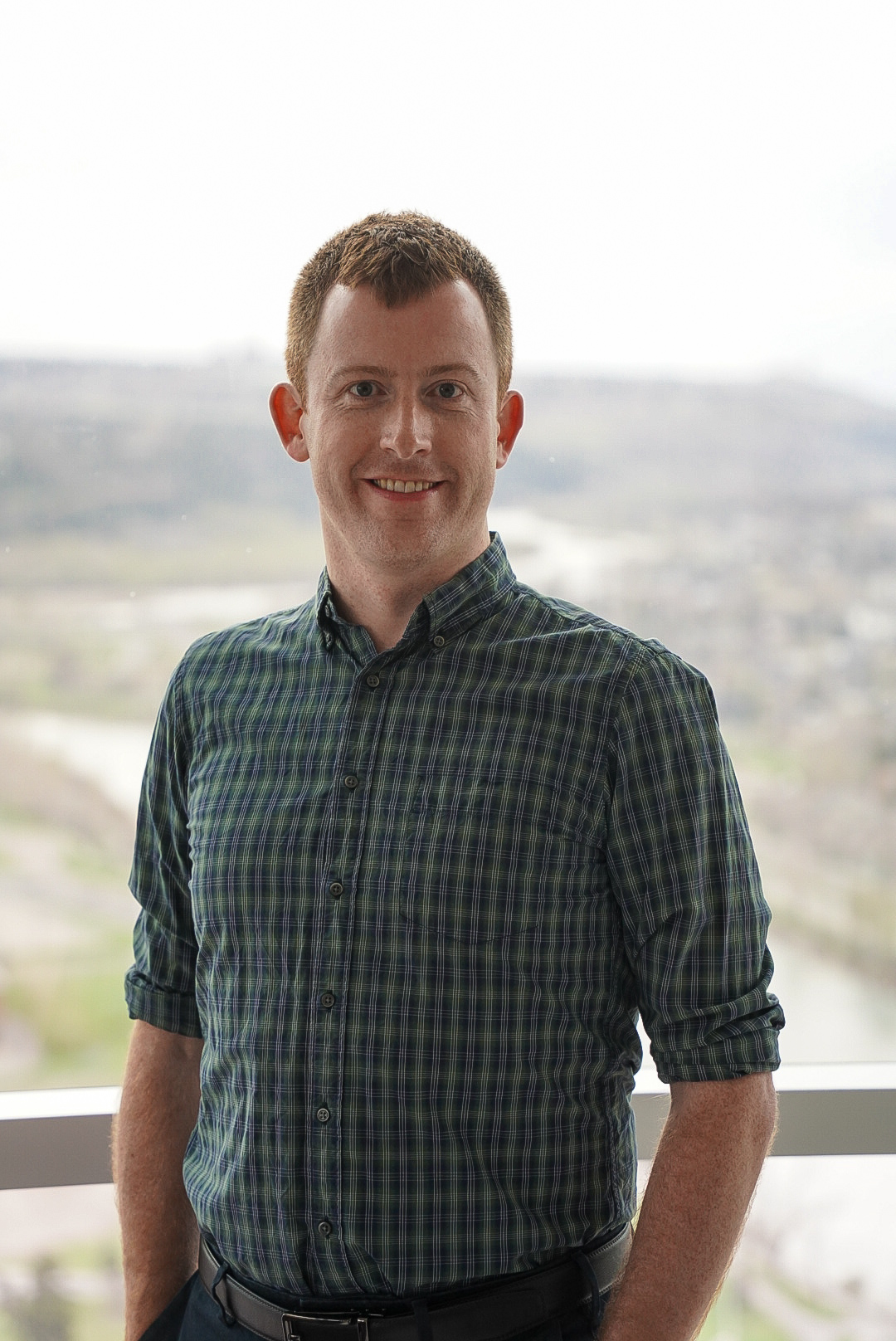
Robert Puckrin, MD, FRCPC
Hematologist and Clinician Investigator,
Arthur Child Comprehensive Cancer Centre Alberta Blood
Marrow Transplant Program
Clinical Assistant Professor, University of Calgary
Calgary, AB
Dr. Robert Puckrin is a Hematologist and Clinician Investigator at the Arthur Child Comprehensive Cancer Centre and Alberta Blood and Marrow Transplant Program, and a Clinical Assistant Professor at the University of Calgary in Calgary, Canada. Having obtained his medical degree from McGill University, he completed Internal Medicine training at the University of Toronto and subsequent training in Hematology and Hematopoietic Cell Transplantation and Cellular Therapy at the University of Calgary. His main clinical and research interests are in lymphoma, cellular therapy, clinical trials, and real-world data.
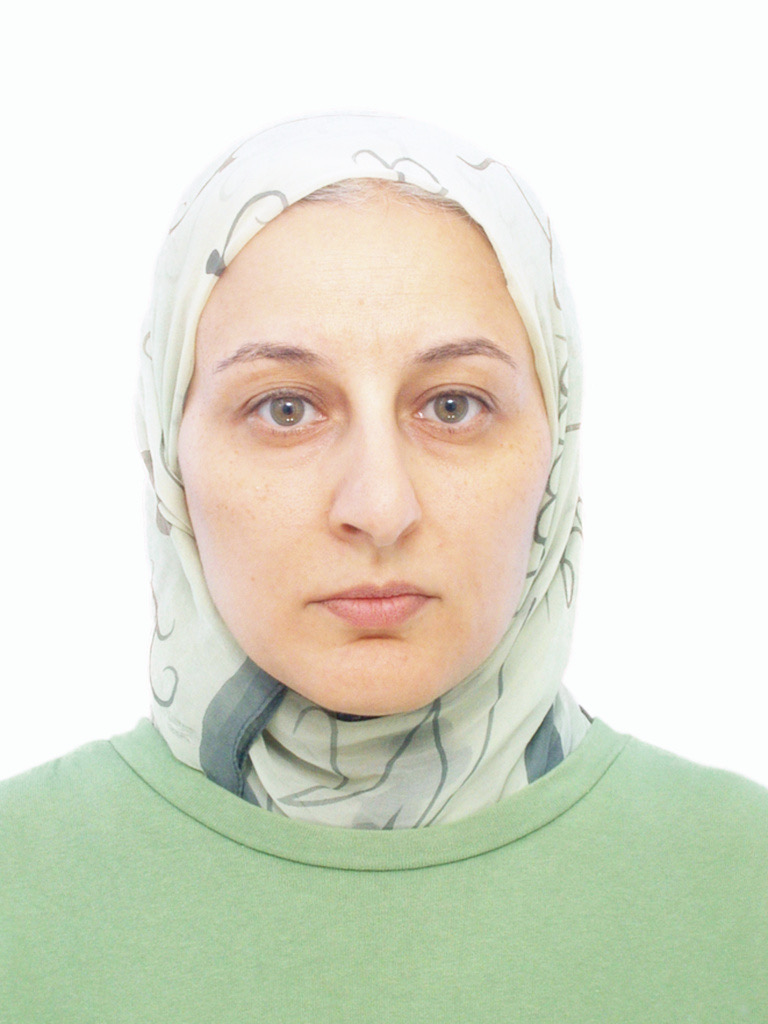
Ola Rizq, MD, PhD
Research Associate
Department of Pharmacology and Therapeutics
Rady Faculty of Health Sciences/Max Rady College of Medicine
Dr. Jody Haigh’s Lab
Winnipeg, MB
Dr Ola Rizq holds a PhD in Medicine from the Graduate School of Medical and Pharmaceutical Sciences at Chiba University in Chiba, Japan. She also holds a Master’s degree in Clinical and Chemical Pathology and an MBBCh from the Faculty of Medicine at Alexandria University in Alexandria, Egypt.
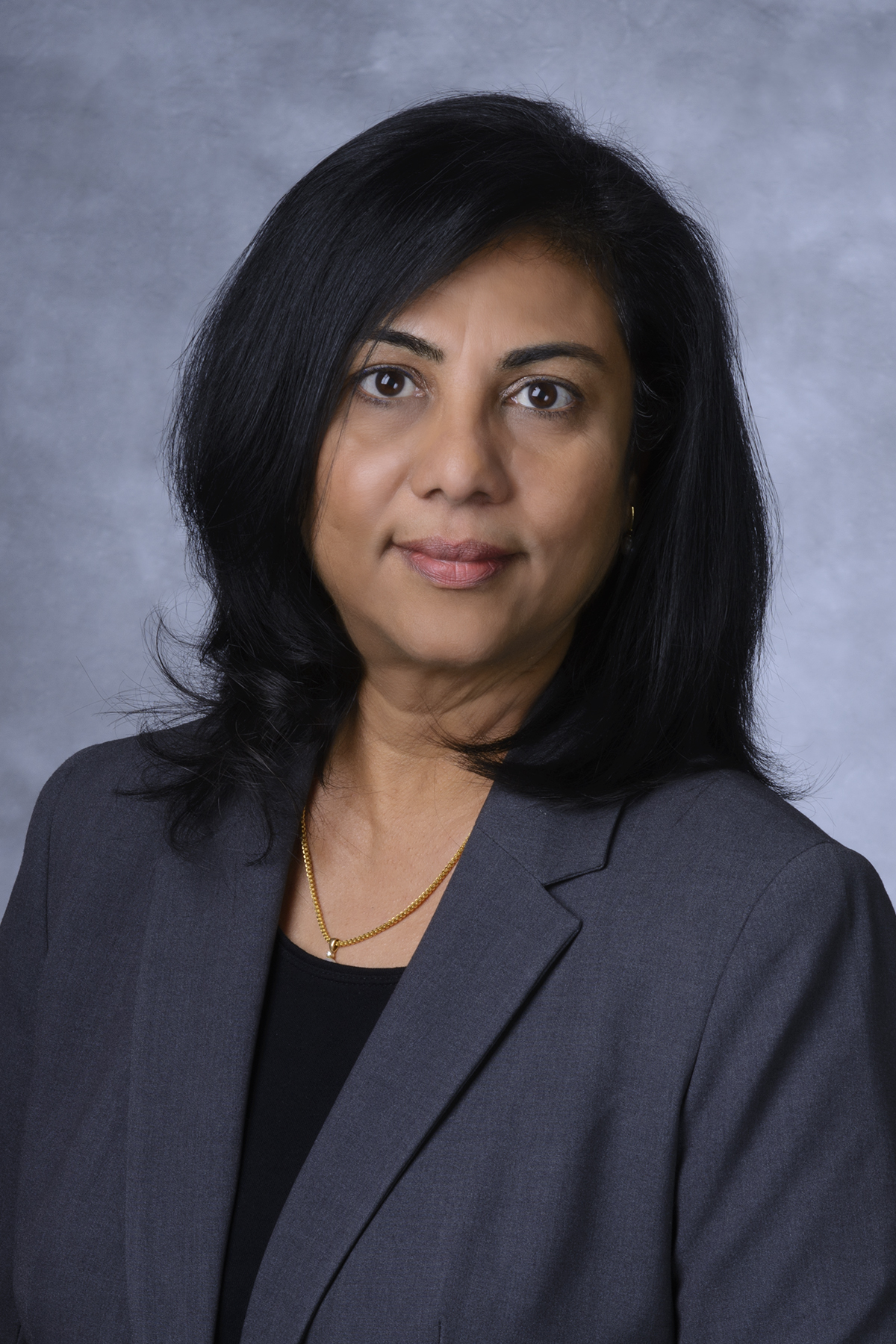
Deepa Sampath, PhD
Professor
Department of Hematopoietic Biology and Malignancy
Department of Leukemia
University of Texas MD Anderson Cancer Center
Deepa Sampath, Ph.D., is Professor of Hematopoietic Biology & Malignancy and Leukemia at The University of Texas MD Anderson Cancer Center. She is a translational cancer biologist whose research focuses on identifying mechanisms of therapeutic resistance and developing new treatment strategies for hematologic malignancies. Her laboratory studies apoptotic, metabolic, and signaling dependencies in chronic lymphocytic leukemia, acute leukemias, and other lymphoid malignancies, with particular emphasis on translating mechanistic discoveries into biomarker-driven therapeutic approaches. Her work integrates patient samples, functional genomics, multi-omics, and preclinical models to identify vulnerabilities that can be advanced toward clinical investigation.
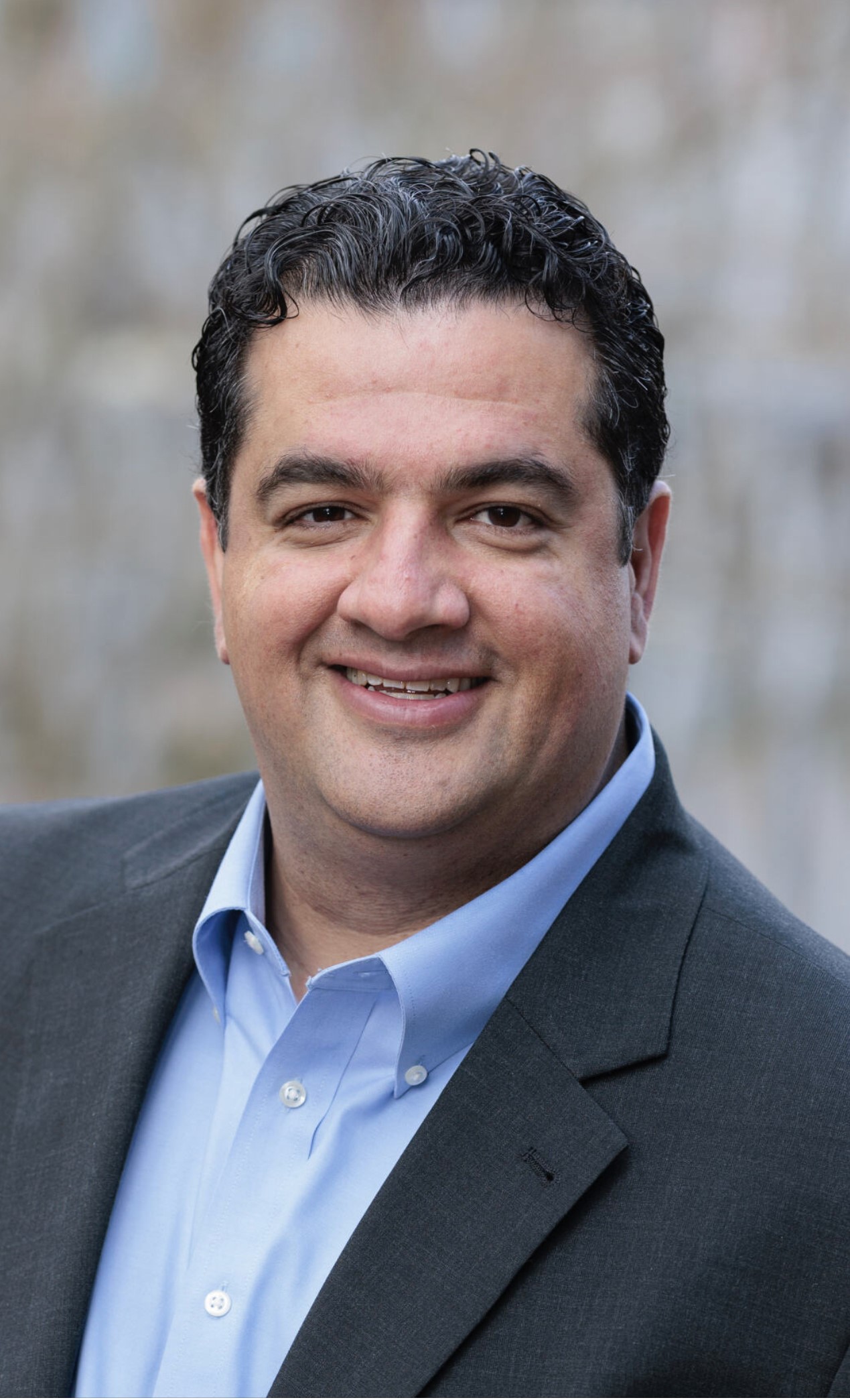
Mazyar Shadman, MD, MPH
Professor
Deputy Chief Medical Officer (Malignant Hematology/BMT/Immunotherapy)
Medical Director, Cellular Immunotherapy
Fred Hutchinson Cancer Center and University of Washington
Seattle, WA
Mazyar Shadman, MD, MPH is a Professor at Fred Hutchinson Center (Fred Hutch) and the University of Washington (UW) in Seattle. He is also the Deputy Chief Medical Officer for Malignant Hematology, BMT, and Immunotherapy, and the Medical Director for Cellular Immunotherapy and the Bezos Family Immunotherapy Clinic at Fred Hutch. He is a hematologic malignancies expert who specializes in treating patients with lymphoma/CLL.
He is involved in clinical trials using novel therapeutic agents, cellular immunotherapy (CAR-T cell), and stem cell transplant for treatment of lymphoid malignancies. He also studies the clinical outcomes of patients using institutional and collaborative retrospective cohort studies.
Dr. Shadman received his MD from Tehran University in Iran. He completed his internal medicine internship and residency at the Cleveland Clinic in Cleveland, Ohio, and his hematology and medical oncology fellowships at the UW and Fred Hutch. Dr. Shadman also earned an MPH from UW and was a fellow in the National Cancer Institute’s cancer research training program at Fred Hutch, where he studied cancer epidemiology.
David Spaner, MD, PhD
Associate Professor of Medicine,
University of Toronto
Clinician-Scientist,
Sunnybrook Odette Cancer Center
Toronto, ON
Dr. Spaner is a clinician-scientist at the Sunnybrook Odette Cancer Center in Toronto and an associate professor of medicine at the University of Toronto. He obtained his MD at the University of Alberta and internal medicine certification at the University of Toronto followed by a PhD and post-doctoral studies in immunology at the Ontario Cancer Institute. His clinic and research laboratory at Sunnybrook are devoted to acquiring a better understanding of the pathobiology of CLL. Current projects address the role of fatty acid metabolism and class II cytokines, particularly interferon, in CLL biology and drug resistance. Outcomes of investigator-initiated phase I/II trials have positioned janus kinase (JAK) inhibitors as co-therapies for CLL alongside BCL-2 and bruton’s tyrosine kinase (BTK) inhibitors.
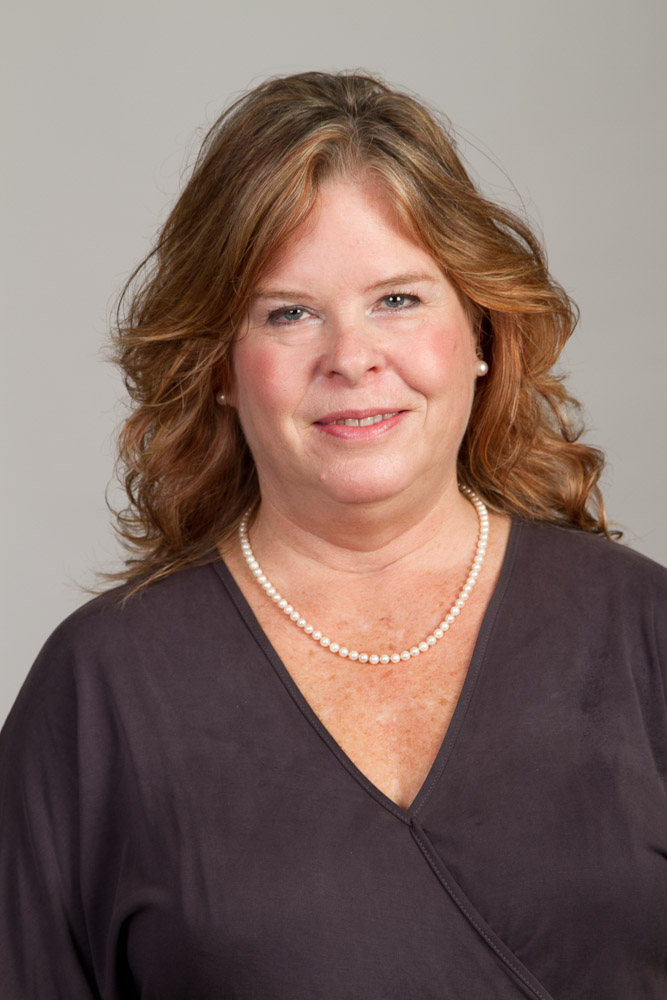
Cynthia L. Toze, MD, MHSc, FRCPC, ABI
Senior Hematologist, Leukemia/BMT Program of BC
Clinical Professor of Medicine,
University of British Columbia,
Vancouver, BC
Dr. Toze obtained her MD Degree at Queen’s University in Kingston, Ontario, followed by Internal Medicine residency at the Royal Victoria Hospital, McGill University, and the University of Ottawa. She performed her fellowship in Hematology and Leukemia/Bone Marrow Transplantation and obtained a Masters degree in Epidemiology from UBC. Dr. Toze is a Member of the Leukemia/Bone Marrow Transplant Program of British Columbia, is a Senior Hematologist at the Vancouver General Hospital and British Columbia Cancer Agency and Clinical Professor at the University of British Columbia. Her research interests focus on chronic lymphocytic leukemia, and allogeneic hematopoietic stem cell transplantation for lymphoid malignancies.
Joshua Yi, MSc
Medical Student, University of Toronto
Toronto, ON
Joshua Yi is a 3rd medical student at the University of Toronto. He has been working with Dr. Vijenthira for the past few years, focusing on clinical outcomes in patients with hematologic malignancies. He will be presenting research on the Outcomes of Younger Patients with CLL.
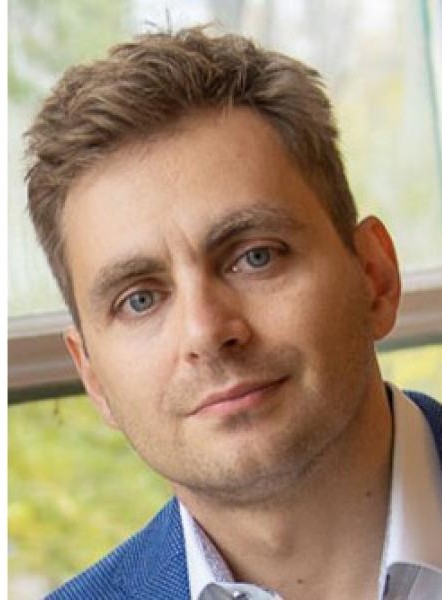
Rene Zahedi, PhD
Director, Manitoba Centre for Proteomics
Systems Biology Professor, Department of Internal Medicine
University of Manitoba
Winnipeg, Manitoba
Dr. Zahedi received a master’s degree in Biochemistry from the University of Bochum/Germany in 2004 and his PhD in Chemistry at the University of Wuerzburg/Germany in 2008 (‘the phosphoproteome of human platelets’). After two years as a postdoctoral fellow, he became a principal investigator (2010-2017) at the Leibniz-Institute for Analytical Sciences (ISAS) in Germany. In 2018, Dr. Zahedi became Associate Director of the Segal Cancer Proteomics Centre at the Jewish General Hospital of the McGill University in Montreal and an associated member of McGill’s Centre for Translational Research in Cancer. In 2022, he joined the University of Manitoba’s Department of Internal Medicine as full professor and became the new director of the Manitoba Centre for Proteomics and Systems Biology. Dr. Zahedi’s research focuses on the development of methods for the sensitive analysis of post-translational modifications (PTMs) such as protein phosphorylation, proteolytic cleavage (N-terminomics), and redox modifications, as well as the combination thereof, to study signalling and PTM-crosstalk in clinical samples. He has published over 140 peer-reviewed articles in internationally renowned journals, yielding an h-factor of 49, including pioneering work on using quantitative (phospho)proteomics to characterize human platelets and their dynamic activation/inhibition through phosphorylation. Dr Zahedi is a member of the board of the Canadian National Proteomics Network (CNPN) and serves as editor-in-chief for Expert Review of Proteomics (Taylor&Francis).
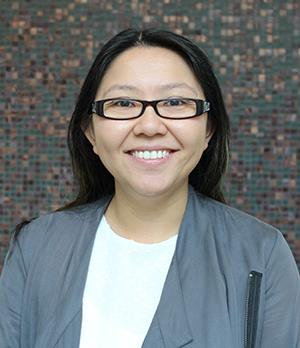
Lin Yang, MD, PhD, MSc., FRCPC
Hematologist & CLL Clinic Lead, CancerCare Manitoba
Assistant Professor, Department of Internal Medicine, University of Manitoba
Winnipeg, MB
Dr. Yang is a hematologist, assistant professor and researcher at CancerCare Manitoba and
University of Manitoba. She has a clinical practice in lymphoma including chronic lymphocytic
leukemia and classical hematology. Before medical school, she completed her Ph.D. at the
University of Toronto. The focus of her doctoral research was on the biology of cancer-driving
genes in acute leukemia. She attended medical school at McMaster University and returned to
the University of Manitoba to complete her Internal Medicine and Hematology training. She
joined CancerCare Manitoba as staff in 2018. She is currently the clinical chair of the CLL
program.